

























































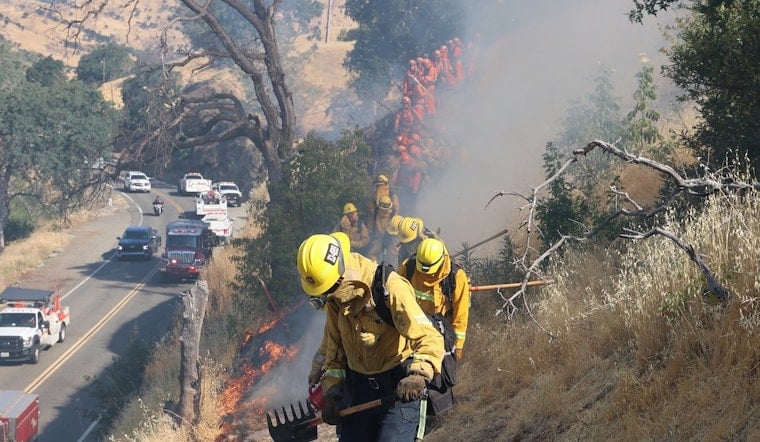
California is heading into the 2026 fire season with one of the biggest state-run aerial firefighting fleets on the planet, but a sudden spike in jet fuel prices has turned what used to be a routine budget line into a financial headache. Officials insist air support will not be cut, yet flying those tankers and helicopters now costs far more than expected, and lawmakers are scrambling to balance the fuel tab with long-planned investments in prevention and forest health.
Fuel spike is inflating flying costs
Global jet fuel prices have surged in recent weeks, pushing refinery averages well into triple digits per barrel and creating sharp new cost pressure for any agency that runs turbine-powered aircraft. According to IATA, weekly refinery averages have been volatile and elevated, and Reuters reporting shows prices jumping from roughly $85 to $90 per barrel to about $150 to $200 in a short span this spring, pressuring airlines and other big fuel users along with firefighting fleets.
Where the money was supposed to come from
Gov. Gavin Newsom's January budget blueprint set aside roughly $457 million for wildfire and forest resilience in 2026-27, relying on Proposition 4 climate-bond dollars along with money shifted from the Greenhouse Gas Reduction Fund. The proposal steers about $314 million from the climate bond to on-the-ground projects, with additional GGRF allocations to keep fuels crews working and grants flowing. Those line items appear in the governor's budget highlights and in the state's resilience task force updates, according to the Assembly Budget Committee and the California Wildfire & Forest Resilience Task Force.
Cal Fire: we will keep the planes flying
Cal Fire says it will not scale back aerial operations despite the fuel crunch and is shifting more training into flight simulators to trim non-essential flying and aircraft wear, a common tactic agencies use to cut fuel consumption, according to the New York Post. The fleet, which now includes C-130 airtankers along with dozens of fixed and rotary wing aircraft, has been described by officials and local reporting as the world's largest civil firefighting force. Earlier coverage detailed the state's recent aircraft additions and multihundred-million-dollar investments that support this ramped-up response posture, including a record $3.8 billion budget.
Budget trade-offs and the May revision
Rising suppression costs could squeeze prevention and forest health programs that are already baked into the governor's plan, and the Assembly's budget summary warns of multiyear deficits that could force hard trade-offs if fuel prices stay elevated. Lawmakers and analysts will be watching the May Revision, expected by May 14, 2026, for any changes to how suppression and resilience programs are funded. The January budget already shifts some operational costs onto the GGRF and Proposition 4 bond dollars, a move intended to give budget writers options to rebalance if fuel prices remain high, and those choices are set for scrutiny in hearings this spring.
For now, planes and helicopters will keep flying while state budget writers and the Legislature try to reconcile fuel shock with prevention spending. The next several weeks, from the May Revision through the June budget deadline, will reveal whether California can keep its airborne shield aloft without draining money from the ground crews and community projects that cut long-term fire risk.





