

























































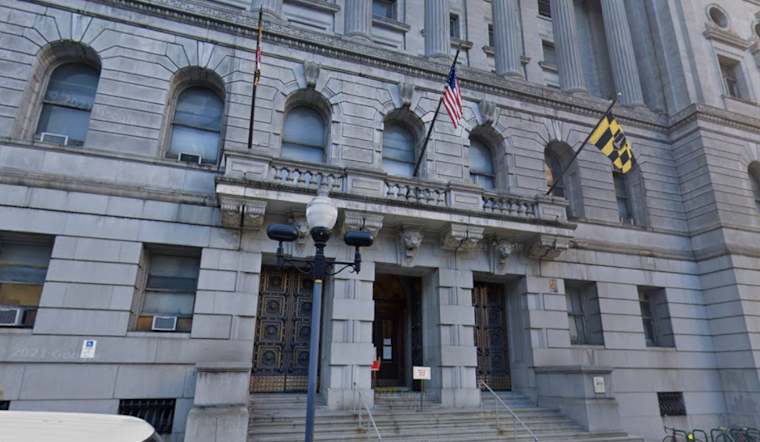
Jury selection began today in the long-delayed joint trial of two Baltimore men charged in the January 2023 shooting that killed a 16-year-old student at the Edmondson Village Shopping Center. The gunfire, which prosecutors say hit five Edmondson‑Westside High School students during a lunch break, has wound through the courts for more than three years and already produced a mistrial. Families and neighborhood residents gathered near the courthouse as the city took another run at holding the alleged shooters to account.
Prosecutors are trying the two defendants together on charges that include first-degree murder, according to CBS Baltimore. Court staff summoned a pool of potential jurors on Tuesday and began the careful questioning process that lawyers use to sort out bias, hardship, and conflicts of interest. That vetting is expected to stretch over several days as both sides look for a panel they can live with.
The men named in court filings are Daaon Spears and Bryan Johnson. Spears faces dozens of counts, including two counts of first-degree murder, multiple attempted‑murder counts, and firearms offenses. Johnson faces a similar range of murder and weapons charges, according to Baltimore Witness. Both defendants were 16 at the time of the January 2023 shooting but are being tried as adults. Prosecutors say the pair opened fire on students gathered near a Popeyes at the Edmondson Village Shopping Center, then took off.
Shooting And Victim
The student who was killed was 16-year-old Deanta Dorsey, identified by police as one of five Edmondson‑Westside High School students shot on Jan. 4, 2023. Four others were wounded but survived, according to The Associated Press. Authorities say the group had walked out for lunch and was standing outside a Popeyes when two people stepped into the parking lot and started shooting. The attack triggered a school lockdown and reignited arguments over how to keep students safe when they spill into busy commercial strips during the school day.
Mistrial And Evidence
One defendant, Daaon Spears, already faced a jury once. His October 2024 trial ended in a mistrial when jurors could not reach a unanimous verdict, AFRO reported. In that first run, prosecutors rolled out surveillance footage, audio from police body cameras, and physical evidence collected from a residence. Defense attorneys pushed back, attacking what they said were weak links tying their client to the shooting. With the mistrial now on the books, prosecutors have opted to put both defendants before a single jury in an effort to present the entire case at once.
Community Response
Local advocates and members of Dorsey’s family have spent the past year pressing for both accountability and tougher oversight around Edmondson Village, including calls for stricter penalties on businesses that serve students during school hours, according to CBS Baltimore. City officials have pointed to years of neglect at the shopping center and urged a mix of stronger enforcement and new investment to make the area feel less like a danger zone and more like a neighborhood hub. Community groups say they plan to keep a close eye on the trial while continuing to press for changes aimed at curbing lunchtime violence.
What Comes Next
Jury selection often takes time as lawyers probe potential jurors for bias and ensure they meet legal qualifications. The Maryland Courts website lays out those rules and requirements in detail. Once a jury is finally seated, the case will move to opening statements and then witness testimony. Prosecutors are expected to call witnesses who handled surveillance footage, forensic testing, and emergency response records. Both sides have signaled a hard fight on the key pressure points in the case, including motive, identification of the shooters, and how strongly the forensic evidence connects the defendants to the crime.
Legal Stakes
Under Maryland law, a first-degree murder conviction can bring a life sentence and, in certain circumstances when the state has given the required notice, life without the possibility of parole, according to the statute (Maryland law). That framework means whatever jurors ultimately decide on intent and any aggravating factors will help determine whether a convicted defendant faces a standard life term or the more severe life-without-parole option. Defense lawyers continue to hammer at what they describe as gaps in direct forensic proof, while prosecutors argue that the combined weight of surveillance, physical evidence, and witness accounts backs up the charges they have brought.





