

























































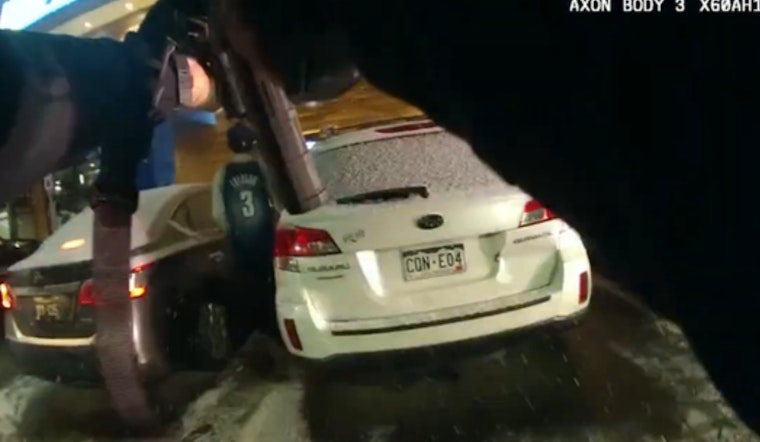
The family of 23-year-old Jalin Seabron has filed a wrongful-death lawsuit, accusing a Douglas County sheriff’s deputy of using excessive force during a parking-lot confrontation outside The Main Event in Highlands Ranch. The complaint, filed Tuesday (Feb. 2, 2026), claims the deputy fired multiple rounds into Seabron’s back during a Feb. 8, 2025, encounter and seeks economic and non-economic damages, plus a jury trial. The civil case arrives nearly a year after the deadly response to reports of gunfire inside the entertainment center and puts fresh scrutiny on the department’s account of what happened.
According to CBS News Colorado, the 14-page complaint alleges Deputy Nicholas Moore "did not give Mr. Seabron adequate time to process that the commands were directed at him" and says Moore fired nine rounds into Seabron’s back and left side. Attorneys for Seabron's estate, led by Denver lawyer Tyrone Glover, have called the shooting "a complete collapse of judgment and training" and argue that body-worn, dash, and surveillance video contradict the sheriff’s narrative. The suit names Moore and Douglas County and seeks compensation for economic losses, pain and suffering, additional damages, and attorneys' fees. The filing notes that the sheriff’s office declined to comment.
The 23rd Judicial District Attorney had previously declined to file criminal charges in April 2025, determining the deputy's actions were legally justified under Colorado law, as reported by Denver7. That decision sparked protests from Seabron’s family and community advocates, who maintain that the released footage tells a different story. Prosecutors and investigators said their decision leaned heavily on body-camera and surveillance video.
Video Puts Split-Second Timeline Under The Microscope
Video clips released during the investigation show Moore approaching Seabron with a rifle, issuing commands, and then opening fire, with the timing featured prominently in the new complaint. CBS News Colorado reports that the suit says roughly seven seconds passed from the moment Moore stepped out of his cruiser to the first shot, and about three seconds elapsed between the deputy’s first shouted command and the initial volley. The complaint further alleges nine rounds were fired in roughly three seconds. Seabron’s lawyers argue the video shows his back was turned to the deputy and that he did not present the threat later attributed to him.
Family And Community Reaction
Seabron's relatives and local advocacy groups have pushed for accountability since the Feb. 8, 2025, shooting, saying he was trying to protect his partner and unborn child and was not the person who fired shots inside the building. As reported by the Highlands Ranch Herald, a judge ordered key body-worn and surveillance footage released amid disputes over edited clips, fueling sharply divergent public versions of the incident. Supporters have held rallies, and the civil complaint is the family’s attempt to keep pressing the case after the criminal review concluded.
Legal Implications
Civil wrongful-death claims move forward under a lower burden of proof than criminal prosecutions, which allows families to seek damages even when prosecutors decline to bring charges, legal experts note. As explained by Bachus & Schanker, plaintiffs in Colorado must prove negligence by a preponderance of the evidence and can pursue economic and non-economic losses, funeral expenses, and other damages. The new lawsuit opens the door to civil discovery, where depositions and additional video evidence could become central if the case heads toward trial or settlement.
Seabron's attorneys say the filing is a step toward full accountability and pledge to pursue "all available avenues." The complaint returns the dispute to a courtroom in the 23rd Judicial District, where a judge or jurors could eventually weigh the competing narratives if the matter proceeds to trial. For now, the case pulls the footage and tight timeline back into focus in a legal process that could take months or longer to fully play out.





