

























































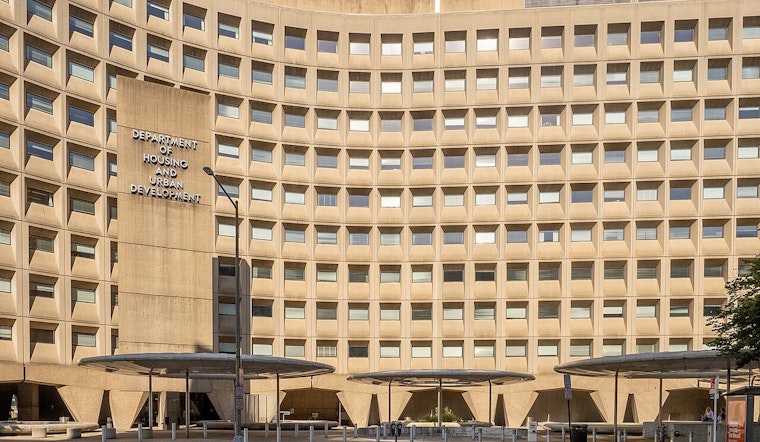
On Thursday, Feb. 19, 2026, the U.S. Department of Housing and Urban Development rolled out a proposed rule that would require every single resident of HUD-funded housing to prove U.S. citizenship or an eligible immigration status. Advocates say the shift would effectively shut the door on mixed-status households and could force thousands of families to decide whether to split up or lose the assistance that keeps a roof over their heads.
What's in the proposed rule
The notice revises HUD’s implementation of Section 214 to require verification of citizenship or eligible immigration status for all applicants and recipients, regardless of age, and to treat prorated assistance as a temporary stopgap while status is verified, as outlined in the Federal Register. The preamble explains that responsible entities would rely on DHS and USCIS systems to confirm status, and that housing providers must collect and review documentary evidence to verify that every household member is eligible.
HUD's defense of the change
HUD Secretary Scott Turner has framed the proposal as a crackdown on what his office describes as improper use of taxpayer-funded benefits. He has said the rule would “guarantee that all residents in HUD-funded housing are eligible tenants” and that the agency has “zero tolerance” for fraud, according to the Associated Press. Administration officials also point to long wait lists for rental assistance as they argue the policy is meant to prioritize applicants they consider fully eligible.
Who would be affected
Advocates warn the fallout will land hardest on mixed-status households and communities of color. The Center on Budget and Policy Priorities estimates the proposal would affect roughly 20,000 households, nearly 80,000 people in all, including tens of thousands of U.S. citizen children. Analysts there say the burden would fall disproportionately on Latine families, women and children.
How verification would work in practice
Under the draft rule, every household member would have to produce documents such as a U.S. birth certificate, passport or naturalization certificate. Primary verification would run through the SAVE system administered by DHS and USCIS. The text in the Federal Register also proposes consent forms that would allow responsible entities to share evidence with HUD and DHS for verification, and it lays out timelines and limited deferrals for families that need more time to track down paperwork.
Reaction from advocates and residents
Housing groups have blasted the proposal as punitive and destabilizing, warning that it will sow fear in immigrant communities and push families to retreat from programs they are legally allowed to use. “Trump’s proposal runs contrary to federal law and is designed to instill fear and hardship on immigrant families,” Shamus Roller of the National Housing Law Project said in a statement. Public-housing residents told NPR they worry they could be forced to move or split up if the rule is finalized.
Next steps and how to comment
The proposal opens a public-comment window, reported as 60 days after publication, and HUD says it will accept comments through the federal eRulemaking portal, according to NPR. The proposed rule text and supporting documents are posted online for anyone who wants to dig into the details, and legal and industry outlets have republished the notice and the PDF of the proposal for readers and practitioners (Bloomberg Law).
Legal stakes
The change would upend a long-standing regulatory approach that allows mixed-status families to receive prorated assistance while excluding ineligible members from the subsidy calculation. The statutory framework for these rules, Section 214 of the Housing and Community Development Act of 1980, is detailed in Congressional Research Service analysis of noncitizen eligibility, and legal observers say the new rule is likely to trigger court challenges and additional litigation over both how the statute is interpreted and whether HUD followed administrative procedure (Congressional Research Service).
Local public housing authorities would face immediate administrative burdens collecting and verifying documents for every resident, and tenants who lack paperwork are being urged to consult local legal-aid groups and tenant advocates. To review the docket or submit comments, members of the public can search for the HUD verification rule on Regulations.gov.





_(53840390494).jpg)