

























































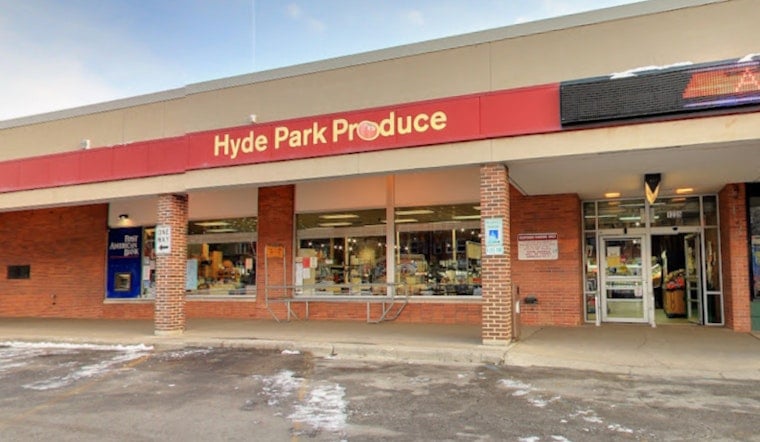
Hyde Park Produce, the family-run grocery that anchors Kimbark Plaza, was abruptly closed this week after state officials posted a notice saying its registration had lapsed. The locked doors caught longtime shoppers and employees off guard and immediately thinned the neighborhood's full-service grocery options. The shutdown follows more than a year of stops and starts for the small market, leaving residents unsure when, or even if, the store will come back.
State notice taped to the front window
An orange sign on the shop window warned customers the store could not sell any items because its certificate of registration had expired, as reported by CBS Chicago. In a statement to that outlet, an Illinois Department of Revenue spokesperson said that “to be open and operate legally, the business must be in full compliance, or have a department approved payment plan.” The department did not confirm whether the move was tied specifically to unpaid taxes.
Fire in 2024 was the first major disruption
The recent closure is not the first blow to the shop. An electrical fire in April 2024 forced Hyde Park Produce to shut its doors for several weeks, and it only reopened in late May, according to Block Club Chicago. Neighbors quickly rallied, organizing a fundraiser, and a GoFundMe set up by a community member shows roughly $62,725 raised to support owner Larry Damico and his staff. Student reporters at the time chronicled the smoky cleanup and worried regulars, highlighting how deeply the market had been woven into neighborhood routines over the years.
What state law lets revenue officials do
Under Illinois law and Department of Revenue rules, the state can revoke or refuse to reissue a retailer's certificate of registration after providing notice and an opportunity for a hearing. As reflected in the department's rules, a revocation notice typically warns that continuing to sell after revocation can be prosecuted as a criminal offense. The administrative code and statutes lay out the procedural steps the department must follow before pulling a certificate, and they also outline how a business can seek a hearing or fix the problem in order to regain its status.
Neighborhood’s grocery landscape tightens
The loss of Hyde Park Produce immediately narrows grocery choices in Hyde Park. Larger chains and a handful of smaller, limited-format outlets are now the primary options, a shift noted by CBS Chicago. For shoppers who depended on the store’s deli counter, produce section and everyday staples, that likely means longer trips or settling for pricier stand-ins. Residents and neighborhood leaders are now left watching to see whether the market can get back into compliance or secure a department approved payment plan that would allow it to unlock the doors again.





