

























































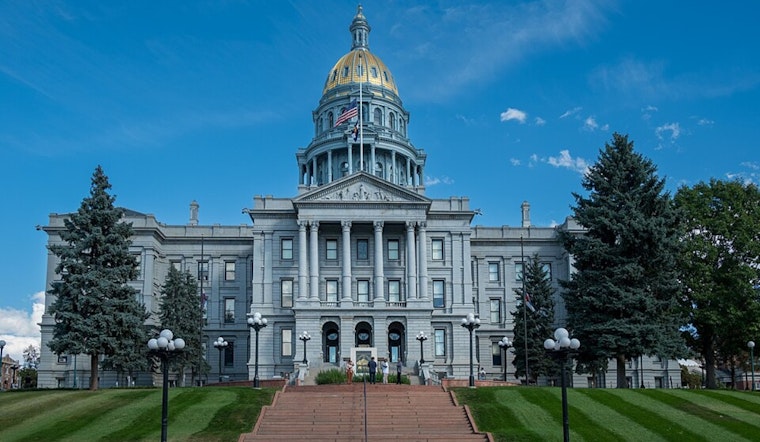
Dozens of community leaders, activists and lawmakers packed into the West Foyer of the Colorado State Capitol on Friday, determined to push back against what they described as a surge in Immigration and Customs Enforcement activity across metro Denver. Speakers said the uptick is reshaping daily routines: parents are skipping school drop-offs, neighbors are steering clear of cultural events and some workers are staying home altogether out of fear. Alongside the alarm, organizers offered a steady drumbeat of unity, pairing calls for action with concrete resources and rapid-response tools.
The crowd in the West Foyer heard a mix of personal stories and hard numbers. As reported by Axios, co-creator Jordan Garcia noted that the Colorado Rapid Response Network now counts nearly 7,000 volunteers statewide, a sign of how quickly residents are mobilizing. Several speakers demanded accountability for federal agents, with State Rep. Javier Mabrey denouncing the federal response to two recent fatal shootings by immigration officers in Minnesota as “Orwellian.” Organizers urged neighbors to plug into notification systems and legal trainings so that, when agents appear, fewer people are left scrambling or guessing what to do.
The Minnesota cases, including the January 24 death of Alex Pretti during a federal operation in Minneapolis, have echoed far beyond the Twin Cities and helped fuel organizing in cities like Denver. The Guardian documented the legal and political backlash that followed, and Denver organizers said that the fallout has only sharpened local anxieties.
Local networks and fast alerts
On Friday, speakers repeatedly pointed residents toward the statewide Colorado Rapid Response Network and a growing slate of know-your-rights trainings as the first line of defense. The coalition runs a 24/7 hotline, trains volunteer confirmers and legal observers, and coordinates dispatch, according to the Colorado Immigrant Rights Coalition. Partner groups such as the American Friends Service Committee report that volunteer teams are showing up on campuses, at workplaces and in neighborhoods where enforcement activity is suspected. The hotline, 844-864-8341, is promoted as a place to report possible ICE operations and receive immediate guidance.
What the data show
Behind the stories is data that has many in the crowd on edge. New research from the University of Colorado Boulder finds that ICE agents arrested more people per day in 2025 than at any time in the past decade, even as the share of those with criminal convictions dropped sharply. The analysis shows daily arrests rising to roughly 821 per day in the first 10 months of the administration’s second term, while only about 37% of those arrested had criminal records, according to CU Boulder. Researchers say a shift toward “community arrests” at schools, workplaces and on the street helps explain why anxiety is particularly high in Democratic-leaning areas, including Denver.
Organizers' message
Speakers at the Capitol walked residents through a checklist of practical steps: keep emergency contacts accessible, document encounters when it is safe to do so, learn the specific legal rights that apply to tenants and workers and sign up for local trainings and hotlines before a crisis hits. Community organizer Trần Nguyen-Wills described how fear of enforcement recently discouraged some locals from publicly celebrating Lunar New Year, a detail organizers cited to show how far the chill now reaches, per Axios. Beyond immediate survival tips, advocates pressed officials for more transparency, stronger oversight and sustained funding for legal defense and community support programs.
Legal questions and next steps
Advocates said they plan to keep the pressure on state lawmakers and city leaders to bolster legal defense funds, tighten data privacy protections and create clearer protocols for documenting federal activity on the ground. The Colorado Immigrant Rights Coalition has put immigrant protections and community trust at the center of its 2026 legislative agenda, tying those policy goals directly to the kind of organizing on display at Friday’s event. For now, organizers said the focus will remain on preparedness, neighbor-to-neighbor outreach and keeping communication lines open as residents brace for whatever comes next.





