

























































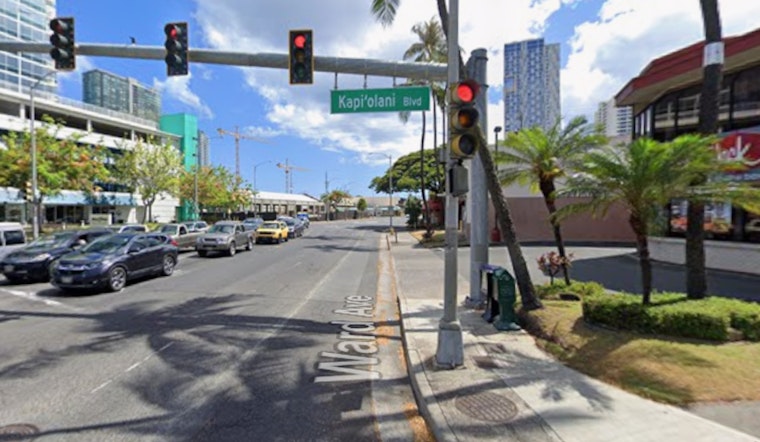
Hawaiʻi’s experiment with long-term leasehold condos in Kakaako hit a setback after the Hawaiʻi Community Development Authority voted to halt presales and asked lawmakers to reconsider buyer eligibility. The pause puts a planned 377-unit tower at Kapiolani Boulevard and Ward Avenue in limbo and casts doubt on whether the leasehold model can make housing affordable for middle-income Oʻahu residents. HCDA officials say the concept remains viable but worry that strict restrictions could deter the very buyers the program aims to help.
The pilot was pitched as a way to wring savings out of developing on state land. Conceptual numbers put the total project cost at around $279 million, with an overall average unit cost of about $740,000 and market two-bedroom units projected to land in the high $800,000s, according to the Honolulu Star-Advertiser. HCDA selected Block P-3 for the 99-year leasehold tower and brought in Ko Laila LLC, the developer behind Ililani, to complete predevelopment work at 873 Kapiolani Boulevard and 610 Ward Avenue, per local coverage from InKaka'ako.
“It’s not dead. It’s definitely not dead,” HCDA executive director Craig Nakamoto told the Star-Advertiser. Even so, staff warned that a perpetual ban on renting and other tight buyer requirements could choke off demand. Instead of launching nonbinding purchase reservations, the board opted to freeze presales and ask the Legislature to consider statutory changes before the agency starts courting buyers.
Why buyers balk
Critics point to a tangle of conditions that come with these units, including owner-occupancy rules that could stretch across the full 99-year lease and strict limits on subleasing. They argue that such terms make the condos a harder sell for both lenders and the mix of households that typically need some flexibility over time.
Senate Bill 2061, introduced by Sen. Stanley Chang, would trim the owner-occupancy requirement to 10 years, let buyers own other property and allow limited renting after an initial owner-occupied period, according to LegiScan. HCDA listed its support for related clarifications in its February 4 board packet, citing rule changes now in front of lawmakers, according to the Hawaiʻi Community Development Authority.
Study shows demand, but not certainty
A study ordered by the Legislature in 2021 and updated in 2022 by the Hawaii Budget and Policy Center found that buyer interest would likely be strong for two-bedroom leasehold units priced near $400,000, a level well below comparable fee-simple estimates. The same analysis also flagged financing challenges and uncertainty over what happens to units at the end of the lease. Those findings, summarized by Hawaiʻi Appleseed/Hawaii Budget and Policy Center, suggest that attractive price tags alone will not make the program work unless lenders, developers and lawmakers can iron out the legal and market wrinkles.
What is next for the pilot
With SB2061 and its House companion moving through this year's legislative session, HCDA says it will push for statutory fixes before restarting presales and will continue predevelopment only if financing conditions and buyer interest come into clearer focus. Legislative trackers show related measures heading to committee hearings in mid-February 2026, a timetable HCDA and housing advocates are watching closely, per LegiScan.
If lawmakers sign off on narrower owner-occupancy terms and looser sublease rules, HCDA officials say the agency could revive a marketing push for the Kakaako tower. If those changes stall, the pilot itself could remain frozen or end up scaled back.
The pause is a reminder that making “affordable” ownership in Honolulu work requires more than shaving dollars off the sticker price. It also takes rules that real buyers can live with, lenders willing to back the deals and a Legislature willing to tweak its own experiment when the market signals that something is off.




