

























































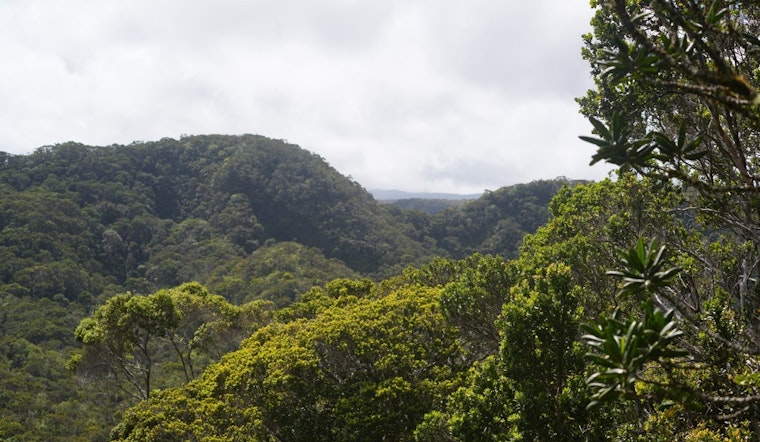
State conservation officials are asking Kauaʻi residents to weigh in on a plan to fence and restore roughly 2,400 acres of the Alakaʻi Wilderness Preserve, and they want to hear from just about everyone with a stake in the plateau. The proposal is billed as a way to expand protected habitat for some of the world’s most endangered forest birds and to safeguard the high-elevation headwaters that feed several of the island’s streams. Organizers say the design aims to keep public access open while shutting the door on ungulates and invasive plants that have chewed up native forest on the plateau.
According to the Department of Land and Natural Resources, the Division of Forestry and Wildlife issued a Feb. 17 news release seeking public feedback on a proposed fencing project to protect an additional 2,400 acres of the Alakaʻi Wilderness Preserve. The agency notes that the Alakaʻi is Hawaiʻi’s only designated wilderness preserve and is home to the headwaters of the Kawaikōī, Waikoali and Mōhihi streams, as well as habitat for the ʻakikiki, puaiohi and ʻakekeʻe.
How The Fence Would Work
The proposed fence would connect with sections already built elsewhere in the Alakaʻi to create a larger ungulate-free refuge, while retaining gates and stepovers so people can still cross sensitive lines. Maui Now reports that the plan focuses on stitching protected pockets together rather than closing large swaths of the plateau to public access.
Targeted Restoration And Hunting Prerogatives
DOFAW says the project would pair fencing with aggressive invasive-plant control, targeting Himalayan ginger and strawberry guava, and would remove invasive pigs and deer from inside new exclosures to reduce stress on native plants and birds. Hawaii News Now reported that those actions are intended in part to slow the spread of Rapid ʻŌhiʻa Death and to improve forest integrity to reduce flood and erosion risk. Kauaʻi Now adds that the agency says animals removed inside the fence would remain available for hunting on tens of thousands of acres of public hunting lands elsewhere on the island, a detail that has drawn attention among local hunters and conservation groups.
How To Weigh In
DOFAW has produced an informational StoryMap and an online survey where residents can review maps, read about management challenges and submit feedback on the proposal. The Department of Land and Natural Resources directs readers to that comment page for the StoryMap and survey and has provided photos and project resources there.
Conservation Context
Conservation partners have been running parallel efforts on the plateau to protect the remaining honeycreepers, including aerial and ground mosquito-control work to limit avian malaria transmission and research into other mosquito suppression tools. The Kauaʻi Forest Bird Recovery Project says treatments such as aerial applications of Bti and trials of Wolbachia-based approaches are being used to reduce mosquito populations and buy time for endangered birds. Reporting in the Honolulu Star-Advertiser documents the urgency, finding that some of Kauaʻi’s endemic forest birds are at critically low numbers and that habitat protection is a race against disease and invasive species.
The fence and restoration plan is one of several tools, from mosquito control to predator exclusion and invasive-plant management, that state and partner groups say will be needed to give Kauaʻi’s native forest a chance to recover. DOFAW officials have welcomed input from hunters, cultural practitioners, scientists and neighbors as they refine the project through the StoryMap feedback process.





