

























































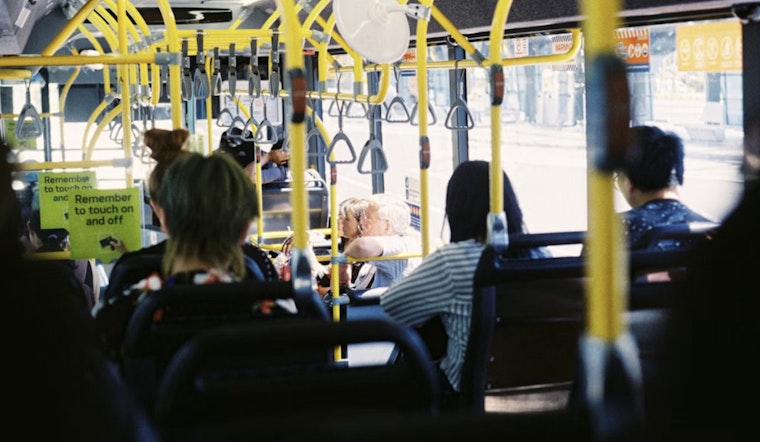
A push to let kids and teens ride buses and rail for free across Hawaiʻi just scored another win at the state Capitol, nudging a statewide "Keiki Ride Free" program closer to everyday life. Backers say the move could trim family budgets, get more young riders onboard and help the state inch toward its climate goals.
What the Bill Would Do
Per the bill page at the state Legislature, House Bill 1879 would set up a state-subsidized youth transit program inside the Department of Transportation and let counties offer fare-free bus and rail service to residents up to age 18. The measure would create a special fund to reimburse county transit agencies for youth fares they no longer collect and authorize the DOT to write rules and work with schools on how the program rolls out.
How It Would Be Paid For And Evaluated
The legislation would steer a slice of the state's environmental response, energy and food security tax, better known as the barrel tax, into a fare-free youth transit special fund. Lawmakers estimate that allocation would generate about $9.87 million per year. The bill also requires the Department of Transportation to run the fund and file reports twice a year that evaluate ridership, costs and system impacts during the early years of the program, a built-in check on whether the benefits match the price tag.
Why Supporters Are Pushing It
Supporters point to pilots and programs elsewhere that suggest dropping youth fares can significantly bump up ridership and make it easier for young people to reach school, jobs and medical appointments. In a report from Hawaiʻi Appleseed, the group argued that a coordinated statewide policy would cut household transportation costs and widen opportunity. Director of Transportation Equity Abbey Seitz put it bluntly, saying public transit is "a lifeline for young people."
Local Programs And Community Voices
Counties are not starting from scratch. Hawaiʻi County's Hele-On has already been running as a fare-free system, and other islands offer student discounts and passes. The Honolulu Star-Advertiser reports that Maui County provides subsidized transit for students up to age 24 with a valid student ID, while Kauai lets children 6 and under ride free and offers reduced fares for riders ages 7 to 18. The paper also highlighted testimony from students, including Kalani High senior Mia Nishiguchi, who told lawmakers that a free pass would open up more access to after-school activities and part-time work.
Costs, Trade-Offs And Next Steps
Lawmakers say the proposed barrel tax share would roughly cover the program, though the estimates are not perfectly aligned. Advocates told the Honolulu Star-Advertiser the statewide effort could cost between $5 million and $10 million per year, while the bill's funding formula is projected to bring in about $9.87 million annually. If the money falls short, the proposal directs priority to low-income and otherwise vulnerable children. The measure has already cleared a Transportation committee vote, with a Human Services & Homelessness hearing set for Feb. 17 and additional reviews, including on the financial side, expected to follow. LegiScan and TrackBill provide the bill language and calendar.





