

























































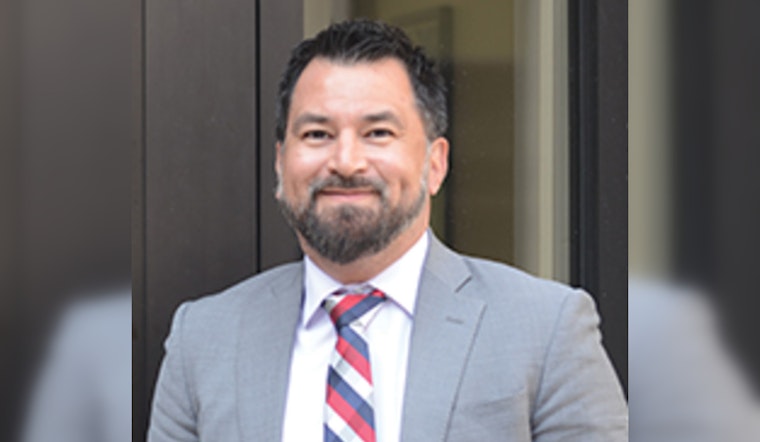
A Kenosha County courtroom just turned into a cautionary tale about cutting corners with artificial intelligence, after a judge sanctioned District Attorney Xavier Solis for filing briefs that leaned on AI-assisted, made-up case citations. In the same ruling, the judge dismissed two criminal matters tied to a 2023 break-in without prejudice, meaning prosecutors can refile, even as the episode puts a bright, unflattering spotlight on how the office uses generative AI in everyday legal work.
According to FOX6 News Milwaukee, Judge David Hughes struck parts of the state's filing after finding what he called "hallucinated and false citations" and noting that prosecutors failed to disclose that artificial intelligence had been used. The order tossed two cases involving three men charged in a 2023 break-in at a Village of Bristol trucking company where more than $60,000 in goods were alleged stolen. Two of the defendants had been bound over for trial in 2023, yet the matters remained open for nearly three years before this decision finally landed.
In an email to FOX6, Solis conceded there had been a "citation error" and said, "Our office takes accuracy, candor, and disclosure obligations seriously." His statement added that the office has reviewed and reinforced its internal verification practices, including new checks to confirm citations in future court filings.
What the Court Said and How the Defense Raised the Alarm
Defense attorneys had already been trying to shut the prosecutions down, asking a judge last year to dismiss the cases for lack of probable cause and for failure to prosecute. They later seized on the state's reply brief, arguing it leaned on bogus, AI-generated citations rather than real legal authority. As reported by AOL (republishing Daily Caller reporting), those filings triggered Judge Hughes to dismiss two counts without prejudice and to sanction the prosecutor for not disclosing the use of AI-assisted drafting. Practically speaking, the charges can come back, but the judge's findings are likely to loom over whatever the DA's office does next.
Wider Legal Context: Why Judges Are Losing Patience With AI
Across the country, courts have lost their appetite for unverified AI output in legal briefs, and judges are increasingly reaching for sanctions when fabricated cases pop up in the record. Bloomberg Law has reported on matters where judges recommended fines after lawyers admitted they relied on generative AI that produced nonexistent cases and quotations. Bloomberg Law notes that these rulings hammer home an old-school principle: human attorneys are still on the hook for double-checking anything they submit to a court.
Professional ethics guidance is marching in the same direction. The American Bar Association's Formal Opinion 512 instructs lawyers to understand both the capabilities and the limits of generative AI, to verify AI outputs, and to weigh disclosure or informed client consent where confidentiality or client interests might be at stake. See the ABA's summary of Formal Opinion 512 for the ethical baseline on AI use. American Bar Association
On the local front, public reaction has been relatively muted. Defense counsel declined to comment on the ruling, according to coverage of the case. The DA's office, listed on the county website at the Molinaro Building at 912 56th Street in Kenosha, has said it tightened internal checks on its filings while staff weighs next moves in the affected matters. Kenosha County
The decision slots neatly into a growing stack of opinions warning that AI is no shortcut when real people's liberty is on the line. In Kenosha, it likely means prosecutors can expect sharper judicial scrutiny of their written work, while defendants and their lawyers may be more inclined to dig into other cases where AI-assisted drafting might have played a role.





