

























































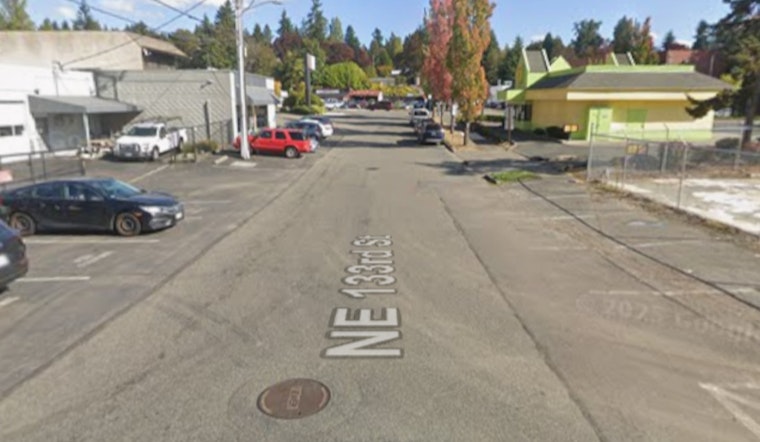
On Thursday, the Low Income Housing Institute and Purpose. Dignity. Action cut the ribbon on the Olympic Hills Tiny House Village in Seattle’s Lake City neighborhood, turning an empty fenced lot into tightly packed rows of small but fully equipped shelters. The site will provide 45 tiny houses and on-site services aimed at moving people who have been sleeping outdoors into year-round shelter. Organizers said the village will serve individuals, couples and people with pets while residents work with case managers toward permanent housing.
What the village offers
According to the Low Income Housing Institute, the village sits at 3121 NE 133rd St and includes 45 units, each roughly 8 by 12 feet and outfitted with insulation, electricity, heat and air conditioning. The fenced property also includes staff offices, a community kitchen, hygiene facilities with showers and bathrooms, and a laundry room to cover residents' basic needs during their stay.
LIHI describes Olympic Hills as an enhanced shelter that pairs private sleeping units with on-site case management. Staff will help residents apply for benefits and work on securing permanent housing, with the tiny houses meant as a short stop on the way to a more stable address.
How it will be run
Purpose. Dignity. Action’s CoLEAD care model, an evidence-based harm-reduction approach that links people to case management and supportive services, will guide operations at the village, per PDA. The organization says it will staff the site around the clock, and residents must agree to a code of conduct and participate in case management focused on securing permanent housing.
PDA also plans to convene a community advisory committee made up of local residents, business owners and faith leaders, with meetings open to the public, according to coverage of the opening by KOMO News. The committee is intended to give neighbors a direct line into how the village is operating and how it affects the surrounding area.
City moves to speed shelter production
This local opening comes as City Hall tries to speed up projects like it. Mayor Katie B. Wilson signed two ordinances this week designed to accelerate housing and shelter production by updating SEPA thresholds and removing certain layers of environmental review, steps city officials say could shave five to 12 months off development timelines.
The mayor has set a goal of opening 1,000 new units of emergency housing this year, and the city framed the permitting changes as a way to help meet that target in a recent release. Officials said faster permitting will complement on-the-ground projects like the Olympic Hills village as the city scales short-term shelter capacity. The mayor’s announcement is available from the Office of the Mayor.
Why this matters
King County’s 2024 point-in-time count estimated 16,868 people experiencing homelessness on any given night, with 9,810 living unsheltered. Those numbers help explain why officials are pushing to add more emergency shelter as quickly as possible.
The Low Income Housing Institute was awarded funding and a contract last year to stand up new tiny-house villages as a quicker form of shelter while longer-term affordable housing is developed, as reported by the Seattle Times. The scale of the crisis is detailed in regional homelessness data from KCRHA.
What’s next
Organizers say the village will accept referrals through outreach partners and the Unified Care Team, rather than walk-up admissions, as the site fills. PDA and LIHI will track placements and service outcomes to see how many residents move on to permanent housing.
A community advisory committee is expected to begin meeting in public soon, offering neighbors a regular forum for input and oversight. City and nonprofit leaders stressed that the village is an interim shelter option meant to connect people to permanent housing while Seattle works to expand longer-term supply this year.





