

























































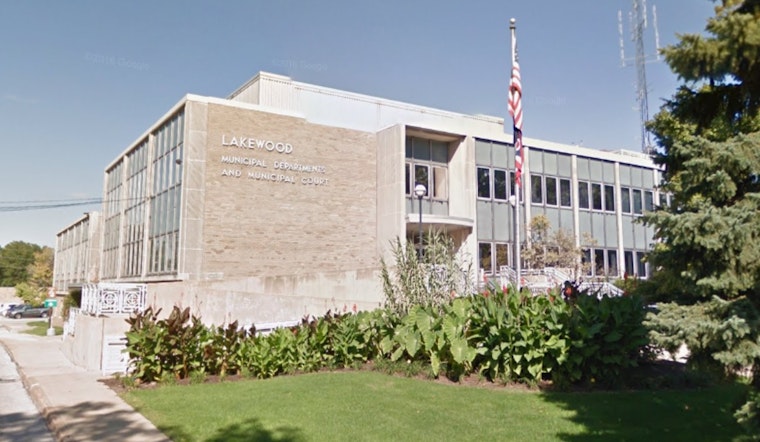
Lakewood could be staring down its biggest rules rewrite in years, as City Council considers a bundle of charter amendments that would change how residents pick their leaders and how the city fills empty council seats. The proposals, drawn from the city's Charter Review Commission, would tweak voting rules, overhaul ward boundaries after each census and formalize what happens when a council seat opens up midterm.
The commission sent over six recommended charter changes: ranked choice voting for mayor, city council and municipal judge races; a formal post census ward redistricting process to even out population shifts; codifying how council fills vacancies; and moving salary reviews for the mayor and council from every four years to every two. Council President Sarah Kepple said the goal is to decide which amendments, if any, make the cut for the fall ballot before council breaks for its August recess, according to Cleveland.com.
Charter review background
The 2024 Charter Review Commission wrapped its work last year, delivering a final report and draft charter language to council, complete with exhibits meant to translate recommendations into ballot ready text. According to the City of Lakewood, the commission's materials and meeting minutes spell out proposed Article 9 language for ranked choice voting and a new procedure for adjusting ward lines after each census.
What ranked choice would change
Under ranked choice voting, residents would not just pick one candidate and call it a day. Instead, they would rank candidates in order of preference. Ballots are then retabulated in rounds until someone crosses the 50 percent mark, which in many cases can wipe out the need for a separate primary or runoff.
Supporters argue that ranked choice produces true majority winners and cuts down on costly, low turnout runoff elections. Skeptics worry about the learning curve, the cost of new software and the risk of confusing voters if the rollout is rushed. Those pros and cons are laid out in detail by ideastream Public Media.
State politics complicate the timetable
Even if council lines up behind ranked choice, Columbus could still throw a wrench in the works. Senate Bill 63 would punish any Ohio city that adopts ranked choice voting by cutting it off from Local Government Fund distributions. The bill moved forward in 2025 and has put local officials on alert, as city leaders and advocacy groups worry about the financial hit, according to reporting by Ohio Capital Journal.
Next steps and deadlines
For now, council members plan to keep grinding through committee hearings and public discussions this spring and summer, then turn that feedback into ordinance language. There is a hard stop on the calendar. To get anything on this year's November ballot, Lakewood must submit measures to the Cuyahoga County Board of Elections by Sept. 4, 2026, Kepple told Cleveland.com. That gives council some runway, but not much, to hammer out details.
Local organizing and reaction
Outside City Hall, the organizing has already started. Rank the Vote Ohio has a Lakewood sign up page for residents who want to push ranked choice locally, and groups including the League of Women Voters have spoken in favor of the commission's recommendation. At the same time, some residents and a few council members have pressed for more outreach, clearer timelines and concrete implementation plans before any charter change hits the ballot, according to local reporting from The Land.
Legal implications
If the state ultimately restricts or penalizes ranked choice voting, a locally approved charter amendment could leave Lakewood juggling financial or legal headaches, a prospect city officials say they are watching closely. Advocates counter that other cities have made ranked choice work, while opponents stress that the price tag, software changes and intensive voter education would land squarely on local governments, according to Ohio Citizen Action.
Council plans to keep refining ordinance language and scheduling committee meetings and public hearings before making any final call on what goes in front of voters. Residents can follow along by checking agendas and watching meetings on the city's website, where updated documents and background materials are posted, per the City of Lakewood.



