

























































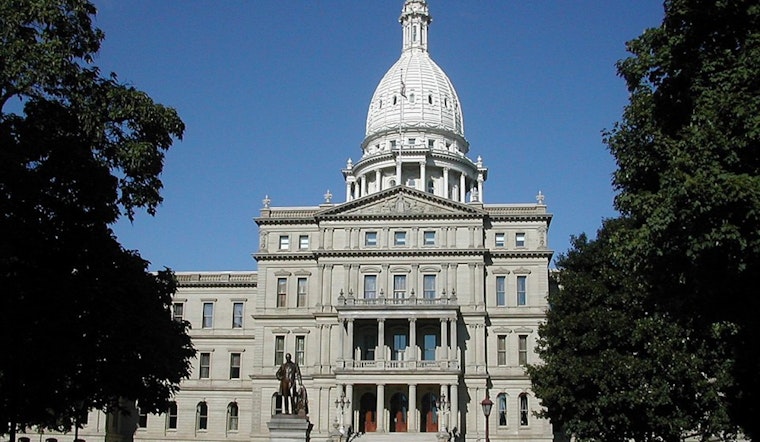
Michigan state senators rolled out a package of bills this week that would move the state’s long-standing August primary to May, just not in time for this year’s races. Backers say the plan is all about giving local election officials more space on the calendar between the primary and the November general election.
What's in the bills
Senate Bill 691 would rewrite major sections of Michigan election law to replace the August primary with a May primary, add a regular February election date on the fourth Tuesday, and tweak dozens of filing deadlines and scheduling rules. According to the bill text on LegiScan, most of those changes would kick in on January 1, 2027.
Which races would shift
The move would affect a broad slate of contests, including races for governor, U.S. Senate, U.S. House, state senate and house seats, plus county-level offices such as clerks, treasurers, sheriffs, prosecuting attorneys and road commissioners. As reported by MLive, the package also includes an option to hold a primary on the fourth Tuesday in February once every four years.
Why clerks back the shift
County clerks and local election administrators told senators that the current August to November window is too tight to canvass results, finalize ballot language, test voting equipment and complete any recounts without racing the clock. Sterling Heights clerk Melanie Ryska told Michigan Advance that “the legislature should not have to rely on miracles as an election administration strategy,” and other clerks described similar time pressures at a recent committee hearing.
Lawmakers raise objections
Some lawmakers countered that moving primaries earlier could confuse voters or give an edge to better-funded campaigns that can afford to go on air sooner. Republican Sen. Ruth Johnson told Michigan Advance that shifting a primary to the fourth week of February could be confusing for voters used to voting on the first Tuesday, and several members floated June as a possible middle-ground date during testimony last Wednesday.
Key practical changes for campaigns
The proposal is not just about the calendar. It would standardize campaign-finance reports on a quarterly schedule in January, April, July and October, and increase penalties for responsible individuals who fail to file required campaign statements to a misdemeanor carrying up to a $1,000 fine or 90 days in jail, according to MLive. That outlet also notes the bills would adjust filing windows for independent candidates, a set of changes that campaigns and election lawyers say would force quick operational retooling if the measures start to advance.
What's next
SB 691, introduced by Sen. Sam Singh, is now sitting in the Senate Elections and Ethics Committee. If lawmakers pass the package and the governor signs it, most provisions would take effect on January 1, 2027, according to LegiScan. Sponsors say they want to bring Michigan’s election calendar closer to neighboring states and give clerks more time to prepare, while opponents argue the bills raise political and practical questions that legislators will have to sort out as the package moves through committee and onto the floor.




