

























































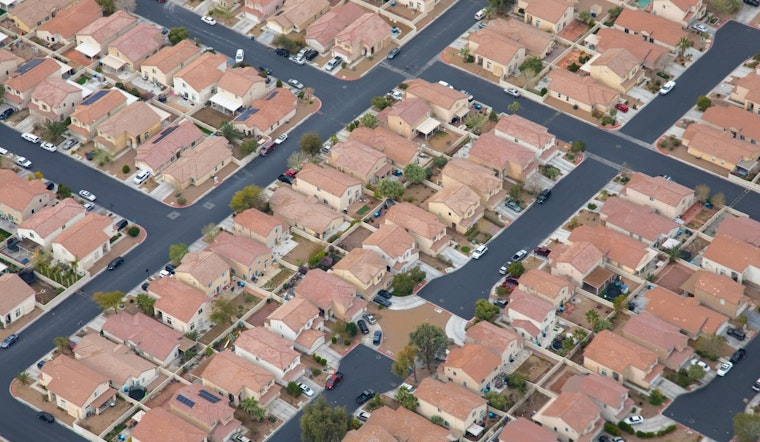
Las Vegas home sellers are losing some of their swagger this winter as listings linger and buyers get bolder. The typical home in the Las Vegas Valley spent roughly 78 days on the market in January, about three months, a slowdown that has many owners rethinking both their asking prices and when to list.
According to Redfin, the typical Las Vegas listing took 78 days to go under contract in January, 18 days longer than a year earlier, and the metro's median sale price was $435,000, down 1.1 percent year over year. Redfin's metro table also shows closed sales were down 8.4 percent, new listings fell 10.1 percent while active listings rose 8.6 percent, creating more choices for buyers even as closings slow. Taken together, the company said the data reflect an unusually strong buyer's market in the valley.
Buyers Gain the Upper Hand
“Home prices grew so fast for so long that a lot of buyers got shut out of the market, which is now causing price growth to cool,” Redfin Senior Economist Asad Khan said in the company's report. In practice, that means ready buyers can lean into negotiations, ask for concessions or simply wait for price cuts, while many sellers are staring down longer listing windows than they are used to.
Local Picture and Rankings
As reported by the Las Vegas Review-Journal, the valley ranked third nationally for the year-over-year jump in days on market, behind only San Antonio and Houston. Mortgage costs remain well above pandemic lows, and Freddie Mac's weekly survey put the 30-year fixed near 6.1 percent in late January, a combination that keeps some would-be buyers on the sidelines even as inventory edges higher.
What Sellers Should Know
In this kind of market, pricing a home sharply from day one and refreshing marketing early can help avoid a long, stale listing. Agents note that small price cuts early in the process often generate more showings than waiting too long to adjust. Staging, updated photos and flexible closing dates can all help a property stand out when buyers are in the driver's seat.
For higher-priced homes in particular, sellers may need patience, but realistic comparable sales and well-timed price moves are key. Buyers, meanwhile, are getting more room to negotiate and time to comparison-shop, while sellers are being pushed to reset expectations ahead of spring. Watching neighborhood comps and mortgage-rate headlines closely will be crucial as the market reshapes heading into the traditional selling season.





