

























































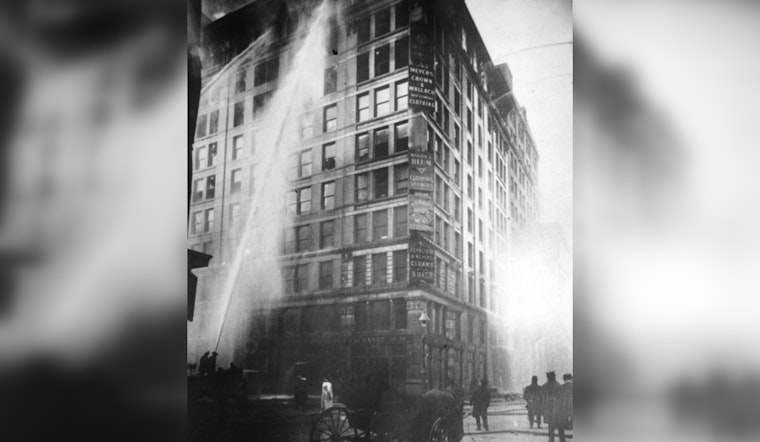
Rose Freedman, the last known survivor of the 1911 Triangle Shirtwaist Factory fire, passed away on February 15, 2001, at her home in Beverly Hills at the age of 107. For decades, she recounted the locked doors, panic, and failed escapes during the blaze on March 25, 1911, one of New York’s deadliest workplace disasters. Her experiences as a teenage seamstress and later as a vocal workplace-safety advocate helped keep the fire’s reforms in public awareness.
How She Survived
Then known as Rose Rosenfeld, Freedman was two days short of her 18th birthday when the fire erupted. She escaped by trailing company executives up to the 10th-floor roof, where firefighters pulled survivors to safety, according to The New York Times. In later years, she described turning down what she said were efforts by the factory’s owners to pay for her silence, choosing instead to become a lifelong witness to what happened inside those upper floors. She spoke at labor rallies, memorials and public events well into old age, determined to keep the victims from slipping into footnotes.
The Factory And The Toll
The fire killed 146 garment workers and ripped through the upper stories of the Asch Building at 23–29 Washington Place in Greenwich Village, now known as the Brown Building, according to research from Cornell University’s Kheel Center. Many of the dead were young immigrant women who found themselves trapped by locked exits and flimsy fire escapes that failed under pressure. The shock of the tragedy helped spur a burst of city and state safety regulations that reshaped how factories and office buildings were designed and run.
Life After The Fire
After the disaster, Freedman left the garment industry behind. She eventually returned to the workforce following her husband’s death in 1959 and held a job at a Manhattan insurance company until age 79, the Los Angeles Times reported. The paper also recounted how she hid a man at the outbreak of World War I in 1914, an episode she called one of the “miracles” of her life. Two of her three children later recovered from polio in the 1940s, another turn of fortune she pointed to when she spoke about survival.
Why It Still Matters
The Triangle fire helped permanently shift public expectations about workplace safety, accelerating reforms that set new standards for building codes, fire protection and labor protections across the country, as outlined by Britannica. Freedman’s firsthand accounts, delivered over many decades, kept those policy debates grounded in lived experience rather than abstract numbers.
How New York Remembers
Unions including UNITE! (the Union of Needletrades, Industrial and Textile Employees) and the New York City Fire Department still mark the March anniversary with wreaths and a bell toll at the site. A New York State Senate resolution commemorating the 90th anniversary specifically noted Freedman’s death on Feb. 15, 2001, and highlighted UNITE!’s role in organizing remembrance events, according to the state record. The Brown Building remains a central gathering point for those memorials and for teaching the history of the reforms that followed.
More than twenty years after Freedman’s death, her story continues to resonate in classrooms, union halls, and at the Brown Building’s annual commemorations, serving as a reminder that modern workplace safety measures originated from the devastating Triangle Shirtwaist Factory fire in Lower Manhattan.



