

























































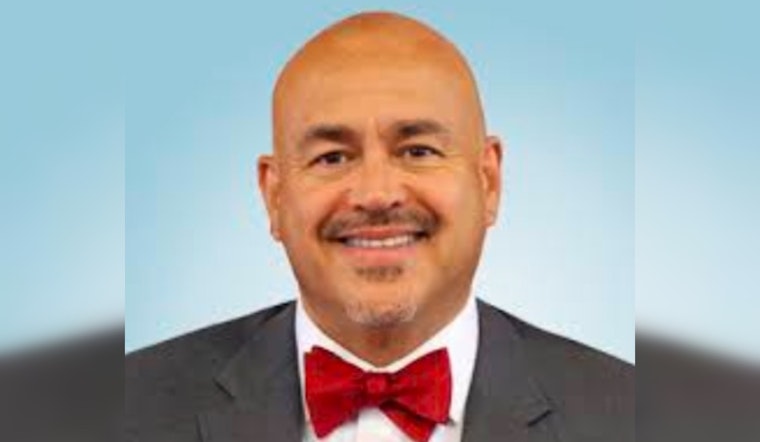
Milwaukee Common Council President José Pérez says he inadvertently voted to approve a liquor license for a Walker’s Point business that also happens to be his tenant, renting space in a building he owns near 10th and National. Pérez is calling it an unintentional oversight, not a secret favor, and he says he has already flagged the vote for both state and city ethics officials. The license was part of a bulk vote on a long list of applications taken up in a single council meeting.
License approval and the property
According to FOX6 News Milwaukee, the business’ liquor license application lists monthly rent of $3,000 paid to Pérez and projects sales split roughly down the middle between alcohol and food. The application did not come up for a dramatic solo showdown. Instead, it was one of more than 140 licenses grouped together, all recommended for approval by the Licenses Committee on a 5-0 vote.
On Nov. 1, 2025, the full Common Council signed off on that entire package in a 15-0 vote, with Pérez voting in favor. FOX6 News Milwaukee reports that it reviewed licensing records and property tax documents to confirm the rental arrangement and the terms listed in the application.
What the law says
Wisconsin’s ethics rules for local officials are not subtle on conflicts of interest. The state code bars any local public official from taking any official action substantially affecting a matter in which that official or an associated organization has a substantial financial interest. It also forbids using public office to secure a substantial private benefit.
Under Wisconsin Statutes, a court can impose forfeitures of up to $1,000 for each violation of those provisions. Enforcement can be pursued by a county district attorney or by the state attorney general, and those same statutes form the core of how local ethics issues are handled across Wisconsin.
Pérez's response and next steps
Pérez told FOX6 News Milwaukee that he reported his vote to the appropriate state and city ethics authorities after realizing the conflict. He described the situation as an “unintentional oversight” and said he had disclosed the matter to officials who handle ethics questions.
Pérez also told the station that his yes vote did not have a substantial effect on whether the license was approved, given that all 15 council members supported the package. At this point, Pérez does not face criminal charges.
What might happen now
For anything more serious to happen, someone would first need to file a verified complaint. Under state law, that kind of complaint can prompt a district attorney to bring an enforcement action. If a district attorney declines to act, the complainant can then ask the attorney general to take it up, as laid out in the Wisconsin Statutes.
Local ethics boards also play a role. They can investigate alleged violations, issue advisory opinions, and in some cases impose forfeitures. The Wisconsin Ethics Commission publishes the standards that guide those kinds of reviews.
Whether Pérez’s self-reported mistake turns into a formal enforcement case will depend on whether anyone files a complaint and how local or state authorities decide to respond. For now, the matter sits with ethics officials rather than in a courtroom, and any future filings, advisory opinions, or actions from the city clerk, a municipal ethics board, or the district attorney will determine what comes next.





