

























































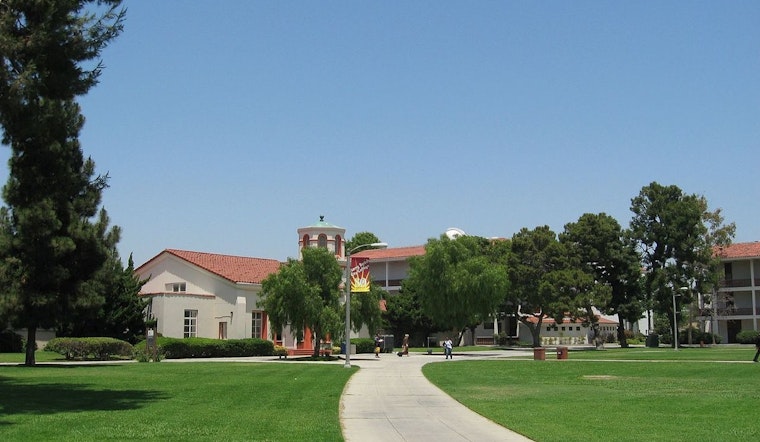
Long Beach City College has agreed to pay $18 million to settle a class-action lawsuit brought by more than 1,450 part-time professors who say they were effectively working off the clock. For years, adjuncts allege, they were expected to grade, prep and meet with students outside of class without getting paid for those hours. The district’s board quietly signed off on the deal last month, but a judge still has to approve it before any checks go out. The agreement comes on the heels of a 2025 court ruling that said adjuncts were entitled to compensation for non-classroom work, a decision that quickly became a warning shot for community colleges across California.
According to Long Beach Post, court papers filed in Los Angeles County say the proposed settlement would cover roughly 1,456 class members, with average payouts topping $11,000 per person. The district has already set aside $20 million to handle the settlement and related costs. Plaintiffs’ attorney Eileen B. Goldsmith told the outlet the case "has made a major impact throughout the state already." The filings note that the board’s approval came quietly last month, and a fairness hearing is now on the calendar for July 1 in Los Angeles County Superior Court.
Judge’s 2025 Ruling Raised The Stakes
In February 2025, Los Angeles County Superior Court Judge Stuart M. Rice ruled that adjuncts at LBCC must be paid for work done outside of scheduled class time, including grading, lesson planning and holding office hours. He found "a myriad of problems" with the district’s arguments, according to Inside Higher Ed. Rice put the decision on hold while the case continued, but the message was clear enough to push both sides closer to settlement. The ruling has echoed across California’s community college system, prompting other districts to take a hard look at how they pay part-time faculty.
Unions And Lawmakers Turned Up The Heat
The lawsuit grew out of years of organizing by part-time faculty and their unions, who argue that adjuncts are treated more like gig workers than professional educators. The California Teachers Association and allied groups have held this case up as Exhibit A in their push for better contracts and statewide fixes, including AB 1752, a bill aimed at bringing part-time community college faculty pay in line with their full-time colleagues, according to CTA. Union leaders say a big settlement at LBCC could speed up contract talks elsewhere and give lawmakers in Sacramento more reason to act.
What Happens Next
If the judge signs off at the July fairness hearing, formal notices will go out to class members and the district will start cutting checks according to the settlement formula spelled out in the court documents. By settling now, the college sidesteps what could have been a long, expensive trial. Resolving the case "allows the District to avoid prolonged litigation and manage risk responsibly," a district spokesperson told Long Beach Post. Even with a deal in place, though, questions about retroactive pay, retirement contributions and how this all plays into future bargaining are likely to ripple through campuses far beyond Long Beach.
Legal Implications
The proposed settlement leans heavily on the 2025 ruling that treated unpaid prep work and grading as compensable hours under minimum wage laws, a legal framing that could have serious consequences for other colleges if it is effectively locked in through this agreement. Union attorneys say approval in this case could influence similar lawsuits and shape ongoing bargaining elsewhere, according to union filings in the case. Parties still have a chance to object or seek changes at the fairness hearing, which could affect both timing and payout amounts. For now, adjuncts and district officials are watching the court’s summer calendar and waiting to see whether the deal holds.





