

























































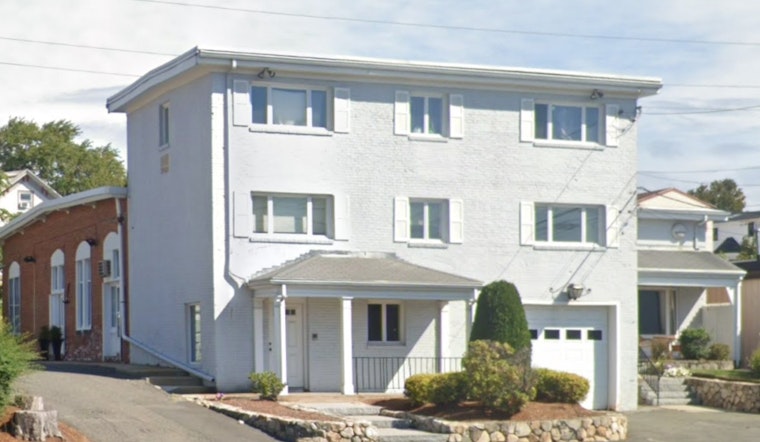
After five years of legal trench warfare with City Hall, Benevolent Botanicals has finally cleared its biggest hurdle to opening a cannabis shop in Malden. A state Land Court judge this winter struck down the city’s marijuana zoning rules and opened a path for the social-equity applicant to pursue permits for a storefront on Eastern Avenue. The ruling closes a dispute that began in 2021, but it does not mean the company can flip on the “open” sign anytime soon, and the cannabis market it is walking into is far tougher than the one it first faced.
Land Court Judge Diane R. Rubin ruled that Malden’s marijuana zoning bylaw, Section 12.12.190, was “unreasonably impracticable” and therefore unlawful, clearing the way for Benevolent to seek whatever local approvals it still needs. Rubin found that the city’s web of buffer zones, combined with a rule that a cannabis business had to be the principal use of a parcel, made it virtually impossible to site a retail shop within city limits. Those conclusions are laid out in the court opinion, according to Mass Lawyers Weekly.
What The Judge Saw On The Map
At trial, experts showed that once Malden’s overlapping 75- to 500-foot buffers were applied, and the principal-use requirement was factored in, only about 55 of the city’s 13,454 parcels technically qualified for cannabis retail. Many of those remaining parcels were off the table for other reasons. The court also agreed that the Northern Strand Community Trail and a chain-link fence behind the proposed 926 Eastern Avenue location meant the nearby residential buffer did not actually apply at that site. The effect of all those restrictions, taken together, was to squeeze most viable locations out of existence in Malden, as reported by The Boston Globe.
Rubin did more than toss the bylaw. She also hit the city with $18,568 in sanctions for failing to live up to its discovery obligations, finding that Malden’s delays hurt the plaintiffs’ ability to prepare for trial. The judge’s criticism of the city’s conduct and the sanction amount are detailed in the opinion, according to Mass Lawyers Weekly.
A Win Arrives As The Market Tightens
While Benevolent was tied up in court, Massachusetts’ cannabis landscape kept evolving. Adult-use retailers brought in about $1.65 billion in sales in 2025, even as average retail prices slid and the number of licensed operators climbed to record highs. That combination, strong demand but cheaper weed and more shops, can squeeze profits and make life much tougher for a latecomer trying to carve out a customer base. Those trends show up in both industry reporting and state data, according to MJBizDaily and the Massachusetts Cannabis Control Commission.
Benevolent CEO Michael Clebnick told the Boston Business Journal that the drawn-out legal saga “hasn’t changed our view” of what the company wants to offer Malden, but he conceded the delay means walking into a more crowded, more competitive retail arena. The company has pushed for years to open at 926 Eastern Avenue and has said the lawsuit and repeated site searches have taken a financial toll.
What Comes Next At City Hall
With Section 12.12.190 now invalidated, Benevolent can move on to seeking building, site and other local permits. Malden officials, however, have 30 days to decide whether to appeal the ruling. If the city lets the decision stand, the City Council will likely come under pressure to overhaul its marijuana zoning so it lines up with state law and does not accidentally shut out licensed retailers altogether. Those next steps and timelines have been outlined by The Boston Globe.
Municipal lawyers and cannabis operators across Massachusetts are watching closely. The decision signals that local zoning rules cannot be written or applied in a way that functions as a de facto ban on a type of business the state has explicitly allowed. After the court’s sharp words on Malden’s document production, the plaintiffs may also seek attorneys’ fees and other costs, according to Talking Joints Memo.





