

























































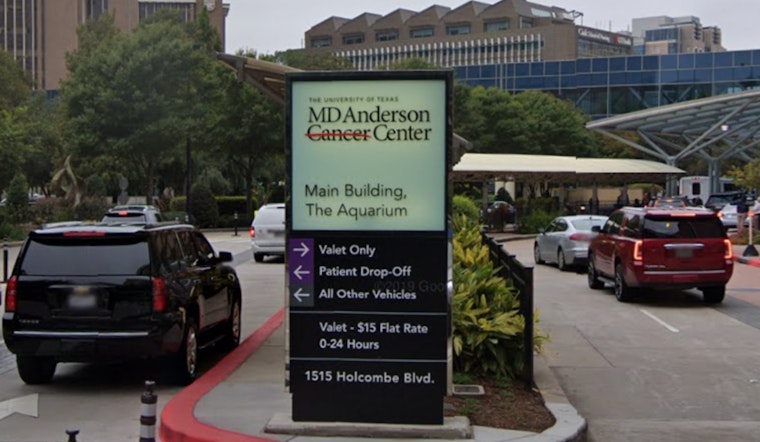
The University of Texas MD Anderson Cancer Center is opening a new colorectal clinic next week in the Texas Medical Center, creating dedicated space for patients dealing with colon, rectal and anal cancers. The site is designed to pull outpatient visits, specialty consults and follow-up care into one concentrated hub so patients can move more quickly from diagnosis to treatment. For people in the Houston area, the clinic is intended as another step toward easier local access to multidisciplinary colorectal care, according to FOX 26 Houston.
New clinic announced on local news
The new colorectal center was quietly introduced to the public in a brief television report on FOX 26 Houston. The station noted that the expansion will increase space for patients with colon, rectal and anal cancers, although it did not provide a specific public opening date beyond noting that the launch is set for next week.
What patients will find at the new site
MD Anderson’s colon and rectal surgery program, which treats the full spectrum of colorectal cancers and complex pelvic disease, will serve as the anchor for the new clinic. The program features minimally invasive and robotic procedures, salvage operations and tightly coordinated planning between surgeons, medical oncologists and radiation teams. The multidisciplinary services that will operate in the expanded outpatient space are outlined on MD Anderson. The new center will also connect patients with the institution’s existing genetic risk evaluation offerings and survivorship resources tailored to people with colorectal cancers.
Why the timing matters for screening and care
Colorectal cancer remains one of the leading causes of cancer death in the United States, and screening continues to be a proven life saver. Current national guidance recommends that adults at average risk start screening at age 45. According to the Centers for Disease Control and Prevention, many people who are eligible are still not up to date on screening, and public health efforts continue to push for higher participation so cancers are found earlier and treatment has a better chance of working. Data and recommendations from the CDC stress that better screening rates and faster follow-up are central to driving down deaths.
Outreach and statewide partnerships
MD Anderson operates Project 80%, a program that provides take home fecal immunochemical tests, known as FIT tests, and coordinates no cost colonoscopies for uninsured or low income Texans. Officials say the new clinic will plug into that existing referral and navigation pipeline. MD Anderson notes that Project 80% works alongside broader state and federal initiatives. Among them, UTHealth Houston recently received Centers for Disease Control and Prevention funding to expand colorectal cancer screening and follow-up across Greater Houston and nearby regions, a program that lists MD Anderson as a partner, according to UTHealth Houston.
Next steps for patients
Adults who are 45 or older, or anyone experiencing symptoms such as rectal bleeding or ongoing changes in bowel habits, are advised to talk with a primary care clinician about screening options and possible referrals to specialty care. Patients in the Houston area who need focused colorectal oncology care can request referrals to MD Anderson’s colorectal teams or to other high volume cancer centers. For a plain language overview of screening methods and how they are used, the colorectal screening information provided by the CDC offers a general reference.





