

























































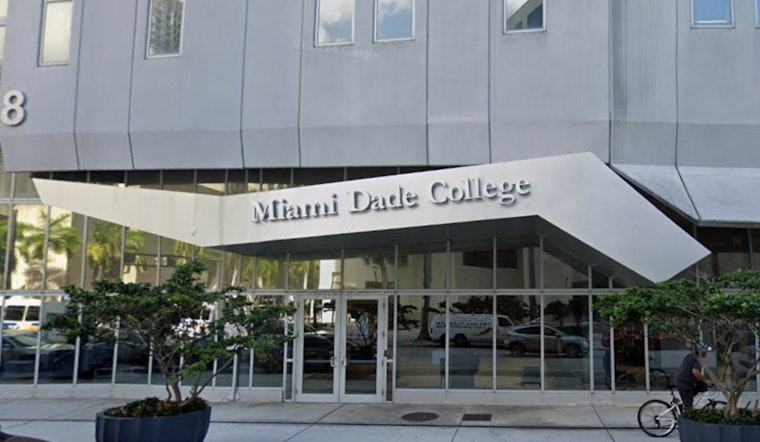
Miami Dade College quietly made a very loud move on Tuesday, February 17, 2026, when its board of trustees voted to approve six charter-school applications. The unanimous decision marks the first time the college has used its new charter authorizing power and hands day-to-day oversight of those taxpayer-funded public schools to a college-run office instead of the elected Miami-Dade County School Board, including who tracks performance and receives state dollars.
How the college gained authorizing power
The shift traces back to a 2021 change in state law that let Florida College System institutions sponsor charter schools within their service areas, according to the Florida Statutes. Miami Dade College formalized that role by creating the Florida Charter Institute in 2022, which reporting by WLRN notes was itself set up through legislation sponsored by Manny Diaz Jr. and has been walking prospective charter operators through the application process.
The board's vote and what it means
At the February 17 meeting, college trustees signed off on all six proposals in a unanimous vote, as reported by Miami Herald. With that single action, Miami Dade College became the formal authorizer for the new schools, taking over monitoring duties and the associated stream of state funding for those campuses, which in turn trims back the Miami-Dade County School Board's direct oversight in the affected areas.
Conflicts and constitutional questions
The move also heightened long-simmering worries about conflicts of interest and who ultimately answers to voters. Board chair Michael Bileca is the founder and operator of the True North Classical Academy charter network, and trustee Roberto Alonso simultaneously holds an elected seat on the Miami-Dade County School Board. Those overlapping roles, WLRN reports, are prompting calls for recusals and closer scrutiny of how the new authorizer operates. "I believe it's a violation of our Florida Constitution," Crystal Etienne of EduVoter told WLRN, warning that the arrangement risks building a parallel system that sits outside direct voter control.
Legal stakes and what's next
Article IX of the Florida Constitution gives local school boards the power to "operate, control and supervise all free public schools within the school district," a principle courts have leaned on in past fights over who can run public schools, as reflected in a 2009 Florida Supreme Court opinion detailed on Justia. Florida Charter Institute leaders and Miami Dade College officials say the college authorizer model is designed to help launch new schools and link them with workforce needs, and institute materials stress that oversight and evaluation are central to that work, with the college also positioned to collect routine oversight fees for administering the approvals.
For now, this first batch of six schools will serve as the real-world test of whether a college-run authorizer can balance accountability with expanded options and whether the constitutional and ethics concerns raised by critics turn into formal legal challenges. Families, elected officials and education advocates say they plan to track how the college handles monitoring, finances and governance in the coming months.





