

























































In a bid to tackle the rampant spread of the invasive spotted knapweed across Michigan landscapes, local agricultural authorities are weighing the option of employing a pair of non-native weevils as biological control agents. These weevils, which feed exclusively on knapweed, could significantly reduce the proliferation of the weed that's been crowding out native flora and negatively impacting the state's ecosystems. The public has been invited to provide feedback on this proposal through March 6, as reported by FOX 2 Detroit.
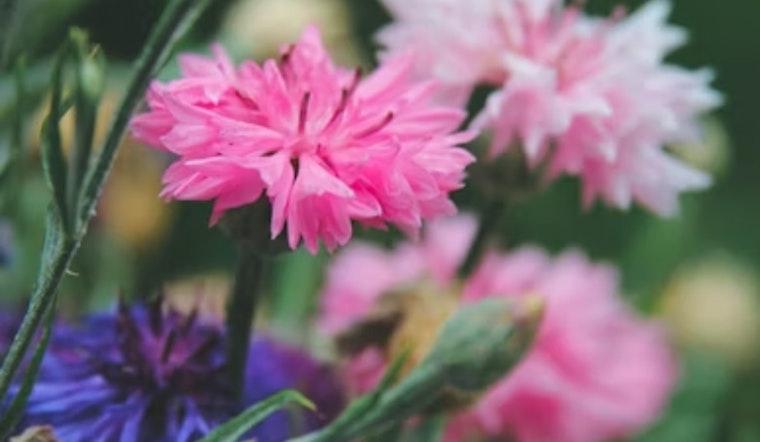
Spotted knapweed, a bushy plant with grayish-green leaves and pinkish-purple flowers, made its way to the U.S. in the 1890s and has since then overtaken various types of terrains, including the sensitive dunes and prairies. It can reproduce rampantly, producing thousands of seeds that remain viable for years. According to MLive, these characteristics enable knapweed to outcompete many native plants and alter soil chemistry to its own benefit.
While the Michigan Department of Agriculture and Rural Development (MDARD) considers various control methods, such as physical removal and the use of herbicides, the focus now is on two specific weevil species: the seedhead weevil (Larinus minutus), which is already present in the state, and the not-so-common root-boring weevil (Cyphocleonus achates). Both species have a strict diet of knapweed, which limits the concern for unintended impact on other plant life. The use of these weevils is a strategy already implemented by several other states, as highlighted by WILX.
However, the issue is nuanced due to knapweed's unexpected role as a late-summer nectar source for both native pollinators and honeybees. Beekeepers have expressed concern over the potential loss of this food source, emphasizing the high-quality honey derived from knapweed, often marketed as "star thistle" honey. Mike Risk, president of the Center for Michigan Beekeepers, acknowledged the dilemma, stating, "If they’re going to eradicate our nectar sources, hopefully, they come up with some other alternatives for us; there aren’t that many for later in the summer," according to WILX. This facet of the debate is crucial as MDARD gathers input from the public to inform their approach to the release of these weevils into the wild.




