

























































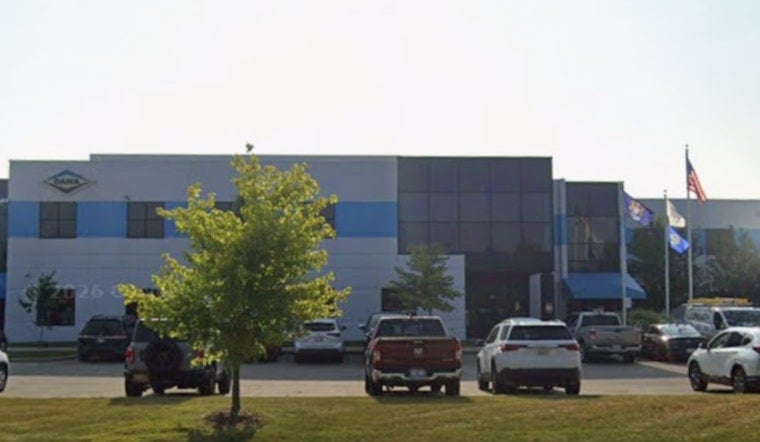
Michigan is gearing up for a payback fight after Dana Inc. abruptly shut down its battery-cooling plant in Auburn Hills and laid off roughly 200 workers. State officials say the auto supplier is in default on a performance-based incentive deal and could be on the hook to repay public funds if the company does not fix the breach by April 27.
According to Crain's Detroit Business, the Michigan Strategic Fund sent Dana a letter this month declaring the company in default under an agreement the board approved in early 2022. The notice links the default to the mass layoff and closure of the Auburn Hills operation and gives Dana until April 27 to cure the problem or face collection efforts for incentive dollars already awarded.
Dana has acknowledged closing the Giddings Road facility in Auburn Hills and beginning layoffs in October 2025, with about 200 employees ultimately affected, according to local coverage. The company told reporters the move stemmed from an unexpected and immediate reduction in customer orders driven by lower demand for electric vehicles, and said it would keep running other local plants while offering support to displaced workers. FOX 2 Detroit and ClickOnDetroit detailed the closure and its impact on those workers.
How The Incentive Was Supposed To Work
The Auburn Hills project was approved in 2022 as part of Michigan's broader push to lock in electric-vehicle supply chain jobs. Dana laid out plans for about $54.2 million in investment and roughly 200 positions, supported by a $2.5 million Michigan Business Development Program performance grant. Those figures and commitments were highlighted in the original announcement from the governor's office and still appear in public subsidy databases. Both Michigan.gov and the Good Jobs First Subsidy Tracker list the deal and its job targets, and Crain's reports the MEDC had already released partial payments tied to those benchmarks.
What The State Can Do Next
Performance-based MBDP agreements typically require companies to hit and maintain job thresholds, and they give the Michigan Strategic Fund tools to claw back money or cancel awards if those terms are not met. The state has not been shy about using those tools in other high-profile cases. Attorney General Dana Nessel has recently pursued recovery of funds from a troubled EV project, and MEDC documents show the agency tracks both incentive disbursements and repayments as part of its oversight. Michigan Capitol Confidential outlines a recent repayment push, while MSF and MEDC reports describe broader monitoring and recovery activity.
On the ground in Auburn Hills, the fallout is far less abstract. Laid-off employees told local outlets they had little warning and now face immediate financial strain. Dana said in a statement to CBS Detroit that it will "support employees through this transition" and stressed that other Auburn Hills operations remain open, yet the state's move to demand repayment is already reigniting debate over whether taxpayer incentives are really buying durable jobs.
With the April 27 deadline hanging over the deal, the standoff will reveal whether Dana can rebuild enough jobs to satisfy the state or whether Michigan will try to claw back its cash. Whatever happens, the case is poised to fuel a broader Lansing fight over how the state structures corporate subsidies in a volatile EV era. Lawmakers and watchdog groups have already signaled interest in tightening the rules after several marquee incentive flops, including SOAR-era projects, Bridge Michigan via WCMU reported.





