

























































Michigan's municipal employees' pension fund is trying to get out of a Florida courtroom before the real legal fight even begins, telling a judge it had only a bit part in a failed Kona coffee-farm venture that left a major agricultural lender staring at tens of millions in losses.
On Jan. 30, the Municipal Employees’ Retirement System of Michigan, better known as MERS, filed a motion to dismiss a Polk County lawsuit that pins blame for the collapse of the Kona Hills coffee project on the fund and its investment partners. Lakeland-based AgAmerica Lending LLC sued in December, alleging the development was riddled with environmental, permitting and construction problems. In its Jan. 30 filing, MERS says it was a passive investor that never signed the loan documents, that the Florida court has no jurisdiction over it and that governmental immunity shields the fund from the claims.
The complaint, filed in Polk County Circuit Court on Dec. 1, says AgAmerica advanced roughly $40 million to the Kona Hills venture and is seeking more than $40 million in damages after the loans soured. The suit alleges the defendants hid preexisting environmental, permitting and stormwater issues that undercut both the farm and the financing. As reported by The Ledger, the complaint names MERS alongside several partner companies and executives.
In its Jan. 30 motion, MERS argues it never entered into loan agreements with AgAmerica, never made direct representations to the lender and never gave up any legal defenses, while also insisting that, as a governmental entity, it is immune from suit. The fund adds that it participated only as a passive investor and that AgAmerica waived some of its claims. Those points are detailed in reporting by Crain's Detroit Business.
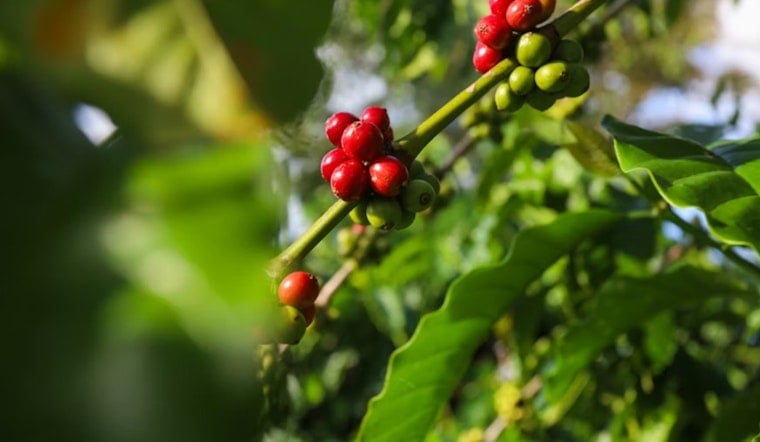
Kona Hills started planting coffee on Hawaii island in 2018, but inspections and agency records later flagged grading, flooding, wastewater and other violations that stalled production and drove remediation costs higher. The complaint says about $130 million in total was poured into the project and alleges much of that money did not end up in productive farm development, as described by Daily Coffee News.
AgAmerica says it financed the project in 2022 and 2023, then moved to foreclose after missed payments. The lender began a foreclosure action in June 2025 and later filed suit after efforts to resolve the debt fell apart. Court scheduling notes cited by The Ledger show the case has been placed on a complex litigation track, with a projected trial date a long way off.
Legal Claims and Defendants
The complaint accuses the defendants of fraudulent misrepresentation, negligent misrepresentation and conspiracy, and lists a roster of corporate and individual players tied to Kona Hills, including Domain Capital Advisors, KAMCO Land Co., Kona Capital Partners, Mark McCormick and Carolyn Seabolt. MERS' motion repeats that it played only a limited, passive role and urges the court to toss the case on jurisdictional and immunity grounds, according to reporting by Crain's Detroit Business.
What MERS Says About the Loss
MERS has forcefully pushed back on the lawsuit, calling the allegations baseless and framing the Kona Hills exposure as a tiny sliver of its broader portfolio. In comments cited by Daily Coffee News, CEO Kerrie Vanden Bosch said the investment represented less than 0.5 percent of the fund and that any losses tied to the coffee project were more than offset by gains elsewhere.
What to Watch Next
The next move belongs to the court, which will decide whether MERS' immunity and jurisdiction arguments are strong enough to knock the fund out of the case before discovery even starts. A ruling for MERS could shift the focus back to project operators and other defendants. A ruling against it could send everyone into a long, messy stretch of litigation.
For Michigan public employees whose retirement money is invested in sprawling private deals, and for institutional investors watching from the sidelines, the Kona Hills fight underscores the risks that come with complex, cross-border development projects and how little control even sizable investors may have when environmental and regulatory problems start piling up.





