

























































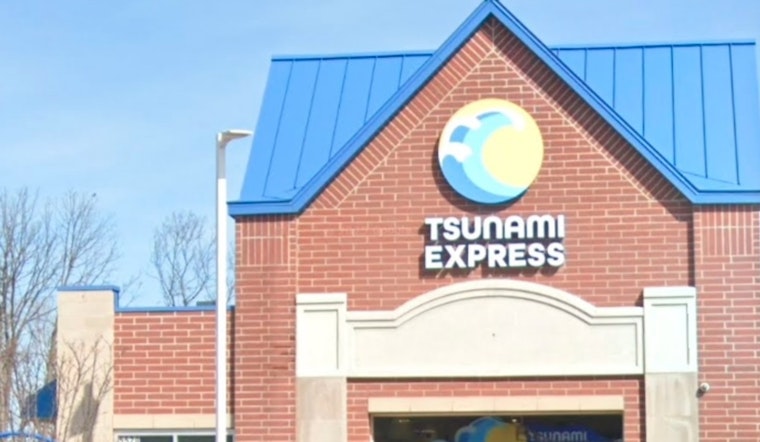
Some Milwaukee-area drivers say their car-wash memberships did not stay canceled, accusing regional chain Tsunami Express of quietly recharging their cards for months and forcing them into a bureaucratic maze to claw the money back. The disputed charges, reported at multiple southeast Wisconsin locations, have customers hunting for old emails and screenshots while the company points to a recent upgrade of its digital accounts.
Customers say they were billed after canceling
Two customers told local TV investigators their stories were nearly identical. One driver who signed up during a holiday promotion says he canceled online, received a confirmation, then months later got a notice that his card was billed $45. Another customer reported being charged about $29.99 a month for seven months after a single visit.
As reported by TMJ4 News, both say repeated attempts to sort things out with staff and corporate support went largely unanswered, with refunds proving hard to secure.
Company points to account migration and online cancellation form
Tsunami Express says it rolled out upgraded digital accounts late last year and now directs members to handle cancellations and any account problems through its app or an online help form. The company’s help page walks members through how to migrate accounts, request cancellations and seek refunds, and its posted membership rules spell out when billing starts for special offers and "founders" plans.
See the company’s customer help page and the Founders Club terms for details, according to the chain’s Founders Club terms and Tsunami Express.
Complaints show a pattern
Public records suggest those headaches are not one-offs. The Better Business Bureau lists multiple billing disputes and consumer reviews that describe double charges, surprise renewals and trouble getting money back. Along with the local TV reporting, those complaints indicate that customers at several Tsunami Express locations in Milwaukee County and nearby suburbs are raising similar concerns about recurring charges.
Examples of those complaints are posted with the Better Business Bureau and in the station’s coverage.
Legal angle and what regulators say
State and federal consumer regulators generally look at two big questions in cases like this: whether the customer actually authorized the charges and whether the business clearly disclosed the recurring plan terms and made cancellation reasonably simple.
Wisconsin’s consumer protection bureau publishes guidance and accepts complaints involving unauthorized charges, and the Federal Trade Commission has repeatedly warned companies about hard-to-cancel subscriptions and so-called "negative option" billing, where silence or inaction is treated as consent to keep paying. For local enforcement or mediation, Wisconsin consumers can contact the Department of Agriculture, Trade and Consumer Protection, according to DATCP, and the FTC maintains national resources on subscription issues and fraud reporting.
How to protect yourself and push for a refund
If you spot an unexpected charge, document everything: save cancellation confirmations, emails, screenshots of your membership page, and the exact dates and amounts from your statements. Then contact Tsunami Express through its online help form or the app to request a fix.
Next, file a dispute with your card issuer. Credit cards are covered by federal billing protections and debit card disputes follow different rules, so read the fine print. The Consumer Financial Protection Bureau explains how to submit complaints and what typically happens during the dispute process. If the merchant does not resolve the issue, you can also alert your card network, the CFPB and your state consumer protection office so regulators can track any patterns.
If charges keep showing up, consider asking your bank to block further payments to that merchant or to issue a new card number if your account appears compromised. Keep copies of every message you send and receive. Consumers who believe they were deceptively enrolled or repeatedly charged after canceling may also want to talk with a consumer-protection attorney about refund options and potential state automatic-renewal law claims.





