

























































A Milwaukee driver who police say was flying down the road at 106 mph is once again back in the crosshairs of local officials, after the December stop turned into his 33rd ticket for driving on a suspended license and ignited fresh calls to crack down on chronic offenders.
Court records show the December 2024 stop was the latest chapter in a long-running saga for Julian Lopez, whose record in Milwaukee includes 58 traffic citations since 2018. Officers say they clocked him at 106 mph, had his car towed and booked him on a reckless driving charge, then released him. He was not jailed on the suspended-license violation, which is treated as a civil matter. Lopez also has about $5,300 in unpaid fines, according to court files, as reported by TMJ4.
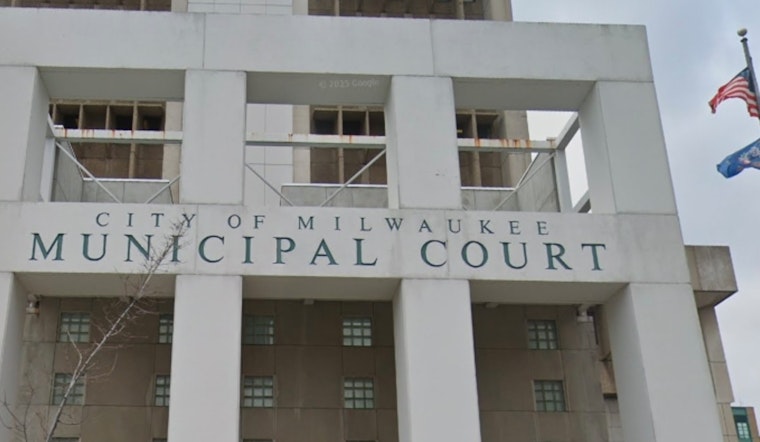
"They can ignore every citation," court watcher Jeanne Lupo said, summing up advocates' frustration with a system they say lets dangerous drivers rack up forfeitures without leaving the road. Milwaukee Police Chief Jeffrey Norman called Lopez's case "absolutely" problematic, and Municipal Court Judge Richard Ginkowski said, "Our toolbox is very limited" when penalties boil down to fines and suspensions. State Rep. Bob Donovan said the episode makes him want to explore sending serious repeat offenders into criminal court, according to TMJ4.
How the Law Treats Suspended-License Tickets
In Wisconsin, driving while your license is suspended is usually handled as a civil forfeiture rather than a criminal offense, which means drivers typically face a monetary forfeiture and an additional suspension instead of jail time. The Milwaukee Municipal Court's FAQ notes that each suspended-license citation carries a $124 fine and that unpaid balances can be turned over to collections, according to Milwaukee Municipal Court.
Court decisions interpreting Wis. Stat. § 343.44 confirm that felony exposure generally comes into play only when a driver knowingly operates after revocation and causes serious injury or death, as reflected in the Wisconsin Supreme Court's analysis in State v. Villamil, reported by Justia.
Legislative Push and Statewide Context
Lopez's case is playing out against a broader statewide backdrop. A 2024 investigation found there were more than 83,000 suspended or revoked licenses in Wisconsin in 2022 and tens of thousands of convictions for operating while suspended. In response, lawmakers including Sen. Van Wanggaard have backed bills that would add misdemeanor charges for repeat offenders. Critics such as the ACLU of Wisconsin warn that new criminal penalties could fall hardest on people who simply cannot afford to pay their tickets, since unpaid debt is a leading reason licenses get suspended in the first place, according to reporting compiled by WISN 12 News.
Tools Courts and Police Already Use
Local officials point out they are not entirely powerless. Police can tow vehicles, as they did in Lopez's December stop, pursue reckless driving charges when the circumstances support them, and refer unpaid debts to collections. Still, those tools have clear limits and do not necessarily stop habitual offenders from getting behind the wheel again.
The municipal court's own guidance notes that unpaid fines can be handed off to collections and that the consequences of a suspension depend on how the license was originally taken away, which can turn enforcement into a patchwork from case to case, according to Milwaukee Municipal Court.
For many in Milwaukee, Lopez's record has become a kind of case study in the system's limits. Police can keep writing tickets, judges can keep ordering suspensions, yet without criminal penalties attached to repeat civil forfeitures, the goal of actually sidelining the most dangerous drivers often goes unrealized. Whether lawmakers or courts will give municipal judges a stronger toolbox remains an open question as city leaders push for change.





