

























































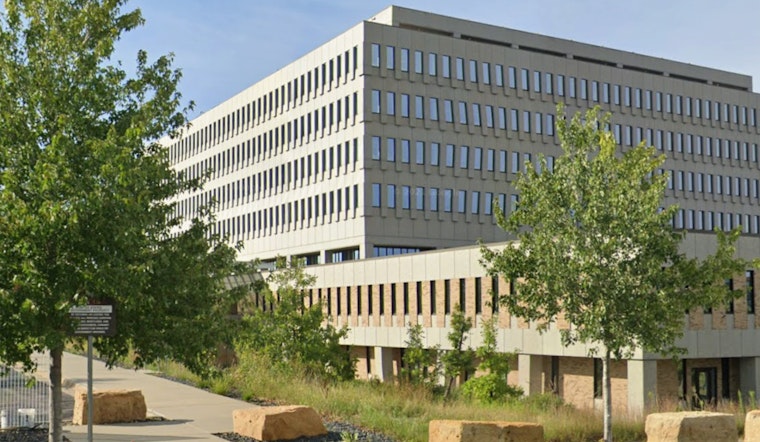
A group of Minnesota faith leaders is taking the federal government to court, saying officers at Minneapolis’ Bishop Henry Whipple Federal Building have repeatedly shut them out when they try to pray with people being processed by Immigration and Customs Enforcement. In a newly filed federal lawsuit, the clergy coalition says pastors were blocked from offering routine pastoral care, including sacraments on major holy days, creating what they argue is an unconstitutional burden on religious practice. They are asking a judge to spell out clear rules so ministers can schedule visits with detainees who affirmatively ask for spiritual support.
Who Sued and What They Allege
According to Religion News Service, the complaint, filed Feb. 23, lists the Minneapolis Area Synod of the Evangelical Lutheran Church in America, the Minnesota Conference of the United Church of Christ and the Rev. Christopher Collins of St. Peter Claver Catholic Church among the plaintiffs. They contend that blanket refusals to let clergy in to see detainees violate both the First Amendment and the Religious Freedom Restoration Act. The filing describes multiple on-site denials, which attorneys say show a pattern that cannot be brushed off as a one-time misunderstanding at the security checkpoint.
Who Is Representing the Clergy
The faith leaders are represented by attorneys from Groundwork Legal and the law firm Saul Ewing. Groundwork CEO Irina Vaynerman has framed the dispute as a straightforward civil liberties fight. In a statement quoted by CBS Minnesota, Vaynerman said, “Constitutional rights do not disappear at the doors of the Whipple,” urging the court to make sure pastoral care can happen under reasonable safety rules. Lawyers say they intend to seek injunctive relief that would let clergy visit detainees who request prayer or sacramental ministry while the case moves forward.
Why This Is Coming to a Head Now
The Bishop Henry Whipple Federal Building near Fort Snelling has become the regional processing hub for ICE as part of an enforcement push known as Operation Metro Surge, which started in December. Local reporting has noted that thousands of people have already been processed there under the operation. Courts have not been sitting on related complaints. Last week, a federal judge ordered the Department of Homeland Security to ensure detainees in Minnesota get timely, private access to attorneys before they are transferred, as reported by The Associated Press. The new clergy lawsuit is asking for similar urgency, but focused on spiritual access instead of legal access.
Turned Away on Holy Days and Other Flashpoints
The complaint recounts incidents in which ministers say they were stopped at the entrance, told their visits were barred for unspecified “safety” reasons, or shunted to a waiting area with no route to actually meet anyone in custody. Reporting by Religion News Service and local outlets highlights at least one Ash Wednesday when clergy say they were blocked from imposing ashes on detainees who had requested the rite. With detainees often moved quickly and private contact tightly limited, the plaintiffs argue that, in practice, meaningful pastoral care is shut down entirely unless the court orders a change.
What the Clergy Want the Judge to Order
The lawsuit asks for an injunction that would allow pastors to visit “any detainees who wish to receive spiritual guidance, prayer, or sacramental ministry” and would require federal officials to adopt a clear scheduling system so visits cannot be denied on a whim, according to KSTP. Attorneys for the clergy say a workable plan could include advance notice, ID checks and escorted movement inside the building, arrangements that courts have already found manageable in other detention environments. They intend to push for expedited consideration, arguing that rapid transfers out of the district can otherwise make detainees’ requests for clergy effectively impossible to honor.
The Legal Stakes and What Comes Next
The case puts Free Exercise and RFRA claims directly up against federal security rationales, and asks a judge to decide how far the government must go to reasonably accommodate religious practice inside an immigration processing hub. The complaint names the Department of Homeland Security, Secretary Kristi Noem and ICE director Todd Lyons as defendants, according to CBS Minnesota, and the plaintiffs’ attorneys say they will seek a prompt hearing. The clergy point to narrow accommodations granted elsewhere, including a recent ruling that was reported as allowing priests into the Broadview processing center under specified safety protocols. That kind of limited access order is the model they are urging the Minnesota court to follow. Federal officials have been asked for a response, and the case schedule will now dictate how quickly the dispute over prayer inside the Whipple building plays out.





