

























































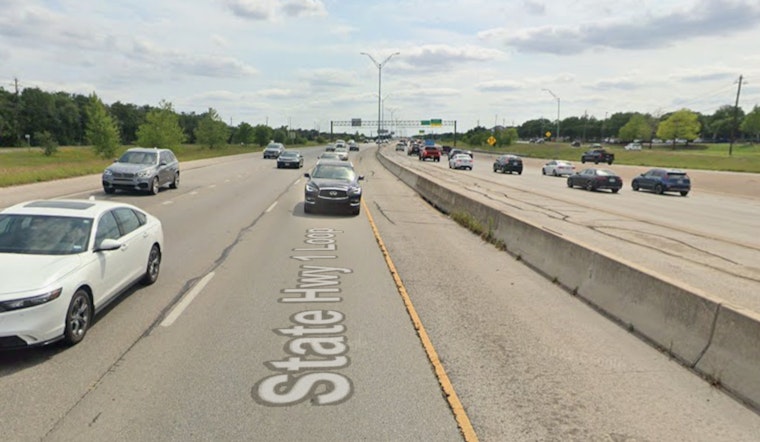
The Central Texas Regional Mobility Authority has dropped a major draft environmental assessment that moves an $825 million overhaul of South MoPac into the public spotlight. The plan would add tolled express lanes and new bike-and-pedestrian links along roughly eight miles of the highway between Cesar Chavez Street and Slaughter Lane. The formal public comment window opens Monday, March 9, and runs through Sunday, May 3, with both a virtual hearing and an in-person open house at Bowie High School scheduled for Tuesday, March 24.
According to KVUE, the Mobility Authority released a draft study tied to the $825 million proposal along with technical reports. TxDOT’s public-hearing notice confirms that the virtual hearing page and comment portal will go live when the comment period opens on March 9, and it spells out several options for submitting official feedback.
What the Build Alternative Would Change
The Mobility Authority’s recommended “2C” configuration would add two tolled express lanes in each direction, build elevated ramps near Barton Skyway to cut down on lane weaving, and widen the MoPac bridge over Lady Bird Lake to five non-tolled lanes each way. The package also calls for a continuous shared-use path and other bike-and-pedestrian upgrades to connect the lakefront with Slaughter Lane, according to the project website.
Travel-Time Claims and Transit Impacts
The draft assessment projects more than 1 million hours of annual travel-time savings for all users of the corridor compared with a no-build scenario and highlights expected improvements in reliability for buses and emergency vehicles. Community Impact reported that staff evaluated six different operational configurations and identified 2C as the option with the shortest peak-period travel times while attempting to limit certain environmental impacts.
Environmental Review and Endangered Species
The environmental review zeroes in on water quality and habitat in the Edwards Aquifer recharge zone and lists several species to be assessed for potential adverse effects, including the Austin blind salamander, Barton Springs salamander, the bee cave harvestman, and the tooth-cave spider. Those water and habitat questions have already fueled heated debate at public meetings and were central issues in earlier litigation focused on transparency and access to modeling data.
Opposition, Lawsuits and Local Officials
Environmental advocates have pursued legal action against CTRMA, seeking traffic and environmental data that they argue the agency has withheld. The Save Our Springs Alliance has been a prominent critic, challenging the project and pushing for broader disclosure of modeling and analysis. The City of Austin’s Urban and Transportation Commission has also urged CTRMA to hit pause or, if the plan proceeds, to complete a full Environmental Impact Statement so that concurrent regional projects and the city’s climate and mobility goals are fully factored in.
How to View the Study and Make Comments
The virtual public hearing page will be available beginning Monday, March 9, and will remain open through Sunday, May 3. Online visitors will be able to review exhibits, watch a prerecorded presentation, and submit written comments that become part of the official record. TxDOT’s public-hearing notice lists the in-person open house at Bowie High School (4103 W Slaughter Ln) on March 24 and provides phone, mail, and email options for filing comments.
Once the comment period closes, CTRMA and TxDOT will review the input, publish responses, and decide whether to finalize the draft assessment or escalate the review to a full Environmental Impact Statement before any construction can begin. With lawsuits in play, local advisory recommendations on the table, and other corridor projects moving ahead, this spring’s comment window could be the moment that determines whether the $825 million express-lane plan makes the leap from study to design and construction.





