

























































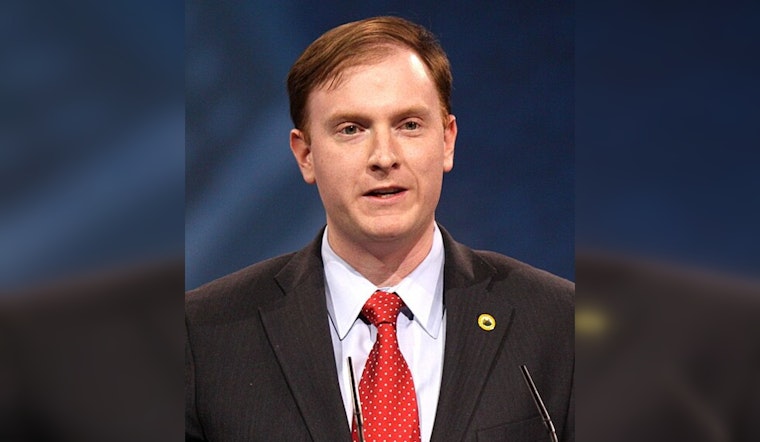
West Virginia is front and center in a growing national fight over your gas furnace. Attorney General JB McCuskey is leading a 21-state coalition asking the U.S. Supreme Court to throw out a D.C. Circuit ruling that upheld new Department of Energy efficiency standards for gas furnaces and some commercial water heaters. State officials say the rules would effectively squeeze many non-condensing natural gas appliances out of the market and saddle owners of older homes with hefty retrofit costs.
In an amici brief filed alongside the petition in American Gas Association v. U.S. Department of Energy, West Virginia and 20 other states argue the appeals court gave DOE too much leeway and are urging the Supreme Court to restore tougher, independent judicial review. Tristate Alert notes the brief warns that “When courts decline to ‘second-guess’ agency interpretations, they permit agencies to convert statutory ambiguity into sweeping regulatory power.”
What the D.C. Circuit Decided
In November 2025, the U.S. Court of Appeals for the D.C. Circuit rejected petitions for review and upheld DOE’s amended standards, concluding the agency’s reading of the Energy Policy and Conservation Act was supported by the record. As laid out in the opinion posted at Justia, the court found it reasonable for DOE to decide that non-condensing appliances do not qualify as having protected “performance characteristics.”
What the DOE Rules Require
The DOE’s final rules tighten efficiency thresholds for residential non-weatherized gas furnaces and for certain commercial water heaters. The agency says those standards are both technologically feasible and economically justified. The consumer-furnace rule and the commercial-water-heater rule are posted in DOE’s rule registry and Federal Register materials, which spell out the final actions and effective dates.
Petitioners and the amici insist the efficiency levels DOE selected can realistically be met only by condensing models. In their view, that would gradually remove non-condensing units from new manufacture and importation, shrinking consumer options over time. The states point to DOE’s own rule pages for the detailed compliance schedule.
Why West Virginia Says It Is at Risk
West Virginia’s filing zeroes in on local fallout. The brief notes that more than 335,000 households in the state rely on natural gas for home heating and that a large share of the state’s housing stock predates 1978, which can make many structures a poor fit for condensing technology. According to the document, those homeowners could be forced into costly structural alterations or lose gas as a realistic heating option if replacement units must be condensing-only.
The states cast the fight as a mix of statutory interpretation and pocketbook pressure, particularly for seniors, low-income families and rural residents who may not have the cash or capacity for major renovations.
Industry and State Reaction
Industry groups and trade associations blasted the D.C. Circuit ruling as a blow to consumer choice. The American Gas Association warned the decision could trigger expensive retrofits for a large share of gas-heated households and vowed to keep pressing its legal challenge.
McCuskey framed West Virginia’s role as standing up for working families and small-town communities. He argued that the decision will land hardest on seniors living on fixed incomes and others who cannot absorb extensive renovation costs, according to comments reported by WDTV.
Legal Stakes: Loper Bright and Statutory Limits
The amici lean heavily on the Supreme Court’s 2024 decision in Supreme Court, which rejected Chevron-style deference and told courts to use their own judgment when reading statutes. The states argue the D.C. Circuit effectively brought that kind of deference back in through the side door and urge the justices to make clear that EPCA’s “unavailability” protections limit DOE’s authority to drive entire categories of appliances off the market. Local coverage of the filing summarizes that line of argument.
What Happens Next
The petition for certiorari and supporting briefs are now in, and the Supreme Court will decide whether to hear the case. Trade press reports indicate the justices are expected to consider the request in the coming months. If they grant review, the Court could weigh in on how Loper Bright applies in practice and on the outer limits of the Energy Policy and Conservation Act’s reach. Any ruling would have major implications for appliance manufacturers, HVAC installers and homeowners nationwide.
For now, no one is being told to rip out existing equipment. The bigger question is what rules will govern replacements and new production in the years ahead. Homeowners with older non-condensing furnaces may want to talk with HVAC professionals and keep an eye out for guidance from utilities and state agencies as the case moves forward. DOE’s rule materials detail compliance timelines and effective dates for manufacturers and suppliers, which will eventually filter down to what shows up in local showrooms.





