

























































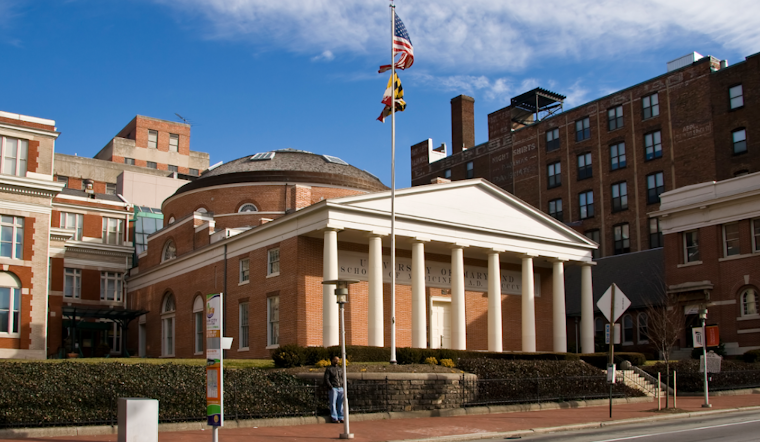
In a move to breathe new life into downtown Baltimore, the University System of Maryland Board of Regents has given its nod to a transformative project around the University of Maryland, Baltimore (UMB) campus. The West Lexington Corridor Development project is envisioned to usher in a mixed-use district that combines residential, retail, and recreation spaces in what could be a boon for the neighborhood.
UMB President Bruce Jarrell, expressing his optimism about the project, told WMAR2 News, "This project is a once-in-a-generation opportunity to transform a critical avenue of our campus and strengthen our connection to the neighborhood." Boasting over 1,300 beds and 25,000 square feet of retail area, the multifamily residential units will anchor ambitious plans that also include a new recreation complex.
Officials anticipate that if the Maryland Board of Public Works and Baltimore City sign off on the plans, groundbreaking could see light in 2027. The goal is to begin unveiling the new developments to the public by 2029. Playing a key role in UMB’s broader Vibrancy Initiative, the project aims to enhance campus life and weave stronger ties between the university and its surroundings. Jim Hughes, UMB's chief enterprise and economic development officer, relayed the institution's eagerness to collaborate with various stakeholders to realize the project, as obtained by WMAR2 News, “We look forward to continued collaboration with our partners at the City, State, University of Maryland Medical System, and local stakeholders to bring this vision to life.”
Striving to cultivate a college-town ambiance, the West Lexington Corridor Project received the green light from the Board of Regents to start reshaping the area around the university campus. Set to include housing for students and faculty afar from housing intended for the general public, the project will also birth a community recreational complex with indoor and outdoor amenities, alongside additional retail spaces, as WBAL-TV reported.
With the first phase of development slated to begin in 2027, the university hopes the initial buildings will be operational by 2029.





