

























































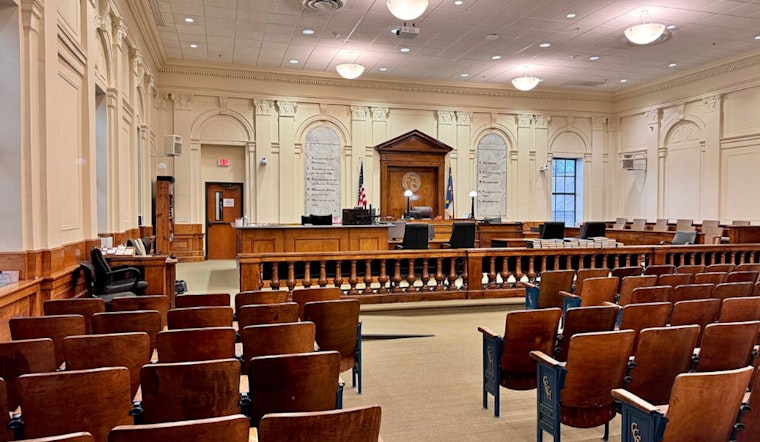
During a recent court appearance in New York, Luigi Mangione questioned the handling of his ongoing legal cases. As he was escorted from the courtroom, he stated, “1+1 equals 2. This is the same trial twice. This is double jeopardy by any common sense definition,” FOX 5 NY reported. A state judge scheduled the trial for his state murder case on June 8, setting it before his federal trial.
The defense, represented by attorney Karen Friedman Agnifilo, objected to the early trial date, citing insufficient time to prepare. “The defense will not be ready on June 8,” Agnifilo stated during a hearing. Prosecutor Joel Seidemann responded that the state, having conducted most of the investigation, has the right to proceed first. The federal trial for Mangione had previously been scheduled to begin with jury selection on September 8 and opening statements on October 13, according to ABC7NY.
Mangione is charged with the murder of UnitedHealthcare CEO Brian Thompson, which took place outside a Midtown Manhattan hotel in December 2024. He has pleaded not guilty to both state and federal charges. The state and federal cases are proceeding concurrently, with questions of which trial should occur first. The victim’s family has reportedly requested that the state case be heard first.
Judge Gregory Carro, who is overseeing the state case, instructed the defense to be prepared for the June 8 trial date. He also noted that the trial could be postponed to September 8 if the Department of Justice appeals a ruling in Mangione’s federal case.
Additional pretrial hearings are expected as proceedings continue, keeping legal teams occupied in the lead-up to the summer. The case involves overlapping state and federal jurisdictions, with decisions on trial scheduling affecting both courts.



