

























































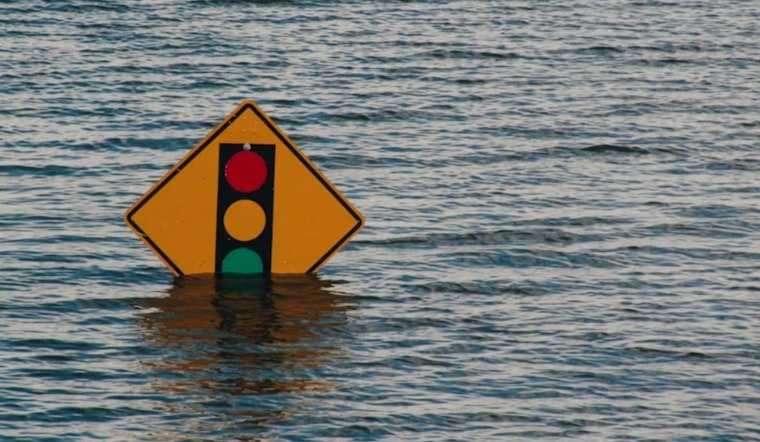
Heavy showers rolled across windward and central Oahu on Friday, triggering an islandwide flood advisory and a messy evening on the roads as rapid runoff filled low spots and drainage ditches.
Officials urged residents and drivers to steer clear of streams, drainage channels and low-lying roadways, warning that ponding and quick rises in water levels can turn familiar crossings into no-go zones in a hurry.
FLOOD ADVISORY for the island of Oahu in effect until 8:15 PM HST (2/20)
— Hawaii EMA (@Hawaii_EMA) February 20, 2026
Advisory details
According to the Hawaii Emergency Management Agency, the flood advisory covered the entire island of Oahu and was posted as in effect until 8:15 PM HST on Friday. The agency also reminded the public that its social accounts are not monitored around the clock and that emergencies should go straight to 9-1-1.
What forecasters are tracking
The National Weather Service office in Honolulu pointed to a pool of tropical moisture combined with an upper-level disturbance as the culprits behind the intense, localized downpours and the risk of flash flooding across the islands. As conditions evolved, that setup prompted a series of watches and advisories.
The National Weather Service cautioned that heavy rain falling on already saturated ground can send streams rising quickly and cause significant ponding on roadways.
Where flooding was most likely
Local weather coverage highlighted windward communities, including Kaaawa, Kahuku, Laie and Kaneohe, as particularly vulnerable to rapid runoff and standing water on roads, with scattered travel delays reported during the heaviest bursts of rain. As reported by Hawaii News Now, motorists were urged to slow down and steer clear of flooded streets.
Stay safe
Officials stressed the basics: stay away from streams and drainage ditches and never try to drive through standing water. The guiding mantra when roads are covered in runoff, as the National Weather Service put it, is “turn around, don't drown.”
For changes to advisories or new warnings, residents were urged to keep an eye on updates from the Hawaii Emergency Management Agency and the National Weather Service, and to call 9-1-1 for any emergencies.





