

























































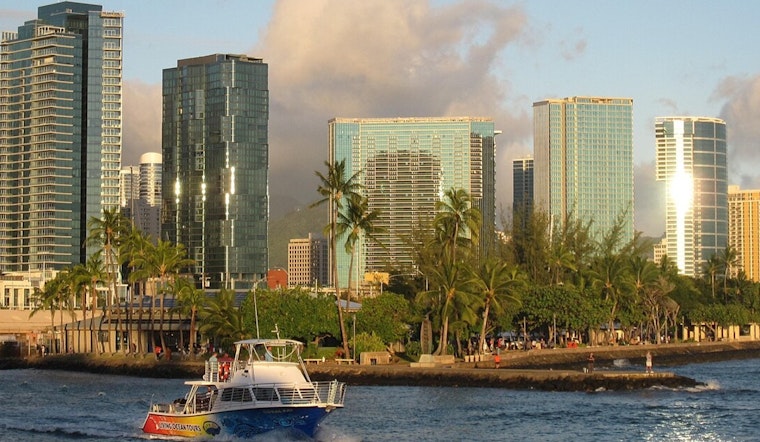
The Office of Hawaiian Affairs has brought in consulting firm AEA Consulting for a six‑month feasibility study on a proposed Native Hawaiian cultural center on OHA-controlled land in Kakaʻako Makai. The study is expected to chart out possible programming, space needs, capital costs, and a basic implementation timeline for a center focused on education, intergenerational learning, cultural practice, and community events.
As reported by the Honolulu Star-Advertiser, OHA selected AEA Consulting to conduct a multiphase feasibility assessment. In a statement to the paper, OHA Chair Kaialiʻi Kahele said the effort is “about restoring connection — to place, to culture, and to each other.”
AEA to lead the feasibility work
According to AEA Consulting, the firm has completed more than 1,200 assignments since 1991 and frequently handles feasibility and market analyses for museums, cultural districts and other capital projects. The company lists Daniel Payne as principal and head of its U.S. team, and he is slated to oversee the engagement for OHA.
What the study will examine
The review will include a market assessment, community and stakeholder engagement, program and space planning, financial modeling, capital‑cost estimates and an implementation timeline. OHA and AEA expect to wrap that work in about six months, the Honolulu Star-Advertiser reports. Officials say outreach will focus on beneficiaries, cultural practitioners, community leaders and partner organizations as the team refines options for what the center could offer and how it might operate.
Why Kakaʻako Makai matters
Planning documents show that OHA controls roughly 29 acres in Kakaʻako Makai, divided into nine parcels that were transferred as part of a partial settlement of unpaid public‑land trust revenues (Scribd). The area’s industrial past and contamination concerns led to an EPA Brownfields award last year to fund environmental assessments, according to Hawaii News Now.
Community reaction and next steps
Community groups have pushed for years for a Native Hawaiian gathering place in Honolulu’s urban core, and organizations including the Association of Hawaiian Civic Clubs have backed OHA’s planning efforts in legislative testimony and public hearings (Civil Beat). OHA’s board approved a new biennium budget that took effect July 1, 2025, and trustees say discretionary funds in that plan align with priorities for Hawaiian‑focused programs. OHA officials say outreach during the feasibility study will help shape decisions about whether and how capital funding might be sought and used to build the center (Office of Hawaiian Affairs).
If the AEA study concludes the project is viable, OHA and its partners would move into detailed site planning, environmental remediation as needed, permitting and fundraising. That process could stretch over several years, depending on the study’s findings and any legislative actions. For now, the six‑month feasibility window is intended to give the community a clearer sense of what a cultural center at Kakaʻako Makai might look like, and what it would take to sustain it.





