

























































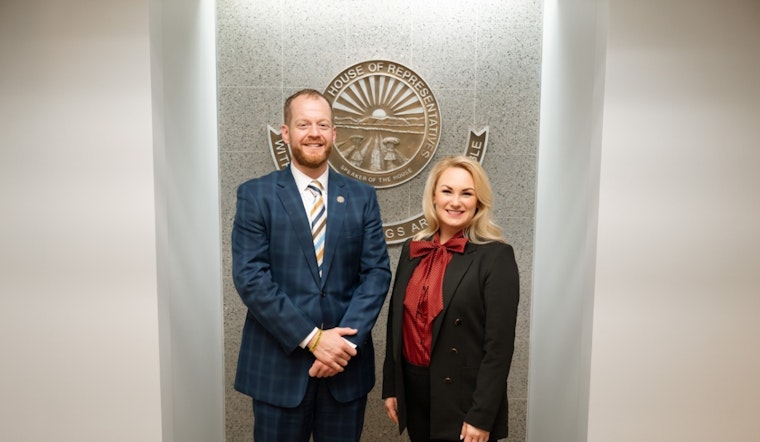
In a move to curb financial fraud against the elderly via cryptocurrency kiosks, State Representatives Matthew Kishman (R-Minerva) and Melanie Miller (R-Ashland) have rolled out the ELDER (Ending Losses and Deception in Electronic Resources) Act, encapsulated in House Bill 648. The bill is designed to put the brakes on an alarming increase in crypto ATM scams across the nation, according to a statement obtained by the Ohio House of Representatives. As these machines have been popping up in more accessible locations, including grocery stores and gas stations, the potential for misuse has spiked, specifically targeting older Ohioans.
Under the proposed legislation, operators of virtual currency kiosks would need to obtain a money transmitter's license, establishing a level playing field with existing entities that similarly handle consumer finances. "These scams are despicable - destructive to society," Kishman said, as fraudsters have been likened by him to vultures preying on Americans, which is a sentiment he shared in the Ohio House of Representatives official announcement. Melanie Miller echoed these concerns, emphasizing that established rules and accountability for crypto kiosk operators will lead to a safer operating environment.
To accomplish its goals, House Bill 648 sets forth a series of disclosure and reporting requirements. Among them are mandatory risk warnings about the irreversible and volatile nature of crypto transactions, transparent fee disclosures, and set transaction limits to stymie large-scale scams. A requirement for receipts aims to ensure customers walk away with a detailed transaction record. New customers who fall victim to fraud would have refund rights, provided they promptly report the incident to law enforcement. In addition, safeguard measures include telephone verification for large transactions and new customers over 60, as well as blockchain analysis to thwart transactions linked to risky wallets. Each kiosk operator would also be required to appoint a compliance officer, strengthening internal oversight.
AARP Ohio has registered its support for the bill, pointing to the need for protective measures that can halt fraud and save consumers from financial loss. State Director Jenny Carlson stated, "Cryptocurrency kiosks are increasingly being used to target Ohio consumers, particularly older adults, through sophisticated scams," reinforcing the message that the ELDER Act brings essential safeguards to the table, as per the information provided by the Ohio House of Representatives. Ohio is not alone in this initiative; 18 other states have taken similar measures to ensure consumer safety and transparent financial dealings in the world of virtual currency.
With its introduction into the Ohio House, House Bill 648 is now pending before the House Financial Institutions Committee, where it will undergo further scrutiny. The legislators behind the bill are advocating for the avenues through which Ohioans can access digital assets, while simultaneously crafting robust defenses against the swindles that have beset so many, especially within the aging population.





