

























































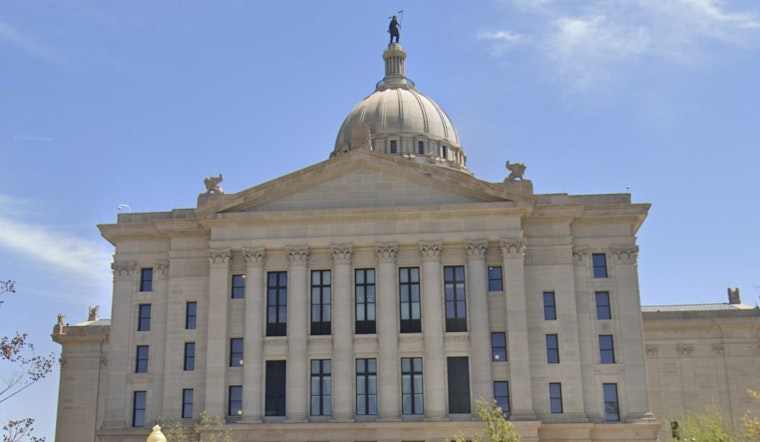
Oklahoma lawmakers have moved a contentious health care bill one step closer to becoming law, signing off on a proposal that would block state agencies and publicly funded health facilities from using taxpayer dollars to provide, refer or otherwise help arrange gender-transition procedures for both minors and adults. The measure would also widen the reasons a medical professional can face discipline, allowing licensing boards to deny, suspend or revoke licenses for providers who perform or refer children for that kind of care. With its latest committee approval, the bill now heads to the full House for debate.
What HB 3130 would change
House Bill 3130, authored by Rep. Kevin West, targets the way public money can be used. It would bar any state agency, political subdivision, employee, contractor or public institution from providing, allocating or reimbursing state funds for gender transition procedures and from contracting with entities that perform or promote them. The introduced text specifically lists puberty blockers, hormone therapy and surgical procedures as covered interventions. It also adds "gender transition procedure misconduct" to several professional licensure statutes, creating new grounds for license denial, revocation and other sanctions. Alongside that, the measure folds in parental-rights language and sets up civil remedies against government actors who violate those rights, according to the Oklahoma Legislature.
How it moved through committees
The bill first cleared the House General Government committee with a 7-2 "Do Pass" recommendation after a Feb. 10 hearing, and lawmakers later filed a full committee substitute. From there, the House Government Oversight committee advanced that substitute on a 16-3 vote, according to Oklahoma Voice. Rep. West framed the proposal as a protection for taxpayers and told colleagues, "Once you become an adult, you're free to do what you want to do," as reported by The Oklahoman.
Support and opposition
Backers of HB 3130 cast it as a way to shield children and prevent state dollars from underwriting what they describe as elective procedures. During the hearing, Rep. Tim Turner suggested any savings could be steered into mental health programs. Critics countered that the bill inserts the state into private medical decisions and family choices. Rep. Ellen Pogemiller said it can feel "shameful" for families who believe they are seeking the best care for their child, while Rep. Gabe Woolley labeled gender transition procedures "antiscientific, unethical experimentation," both remarks noted by Oklahoma Voice.
Legal and national context
Oklahoma already restricts gender-affirming medical care for minors, and federal courts have been central in fights over those bans. A federal ruling in past years allowed such restrictions to take effect in the state, according to the Associated Press. HB 3130 would go further by cutting off state dollars and by writing new enforcement tools for licensing boards into law, placing Oklahoma inside a broader wave of similar legislation surfacing around the country this year. Hundreds of anti-LGBTQ measures have been filed nationwide in the opening weeks of 2026, per a tally reported by PinkNews.
Legal implications
The bill adds gender-transition misconduct to the statutory list of unprofessional conduct for physicians, nurses and physician assistants and allows termination of state employees who violate the new rules. Legal observers say that mix is likely to spur constitutional and administrative-law challenges. If the measure becomes law, its limits on reimbursement, referral and contracting could invite lawsuits from providers, patients and advocacy groups, much as similar state bans have prompted court fights elsewhere. Details of the enforcement machinery and parental-rights provisions are laid out in the introduced text and are expected to sit at the center of any legal challenges, according to the Oklahoma Legislature.
What happens next
With committee work complete, HB 3130 is now eligible for a vote on the House floor. If it passes, the bill would then move to the Senate and, after that, to the governor. Legislative records show a proposed committee substitute was filed on Feb. 25 and outline the bill's referral history. Anyone tracking its progress can follow updates on the Legislature's website or through public bill-tracking tools such as LegiScan.





