

























































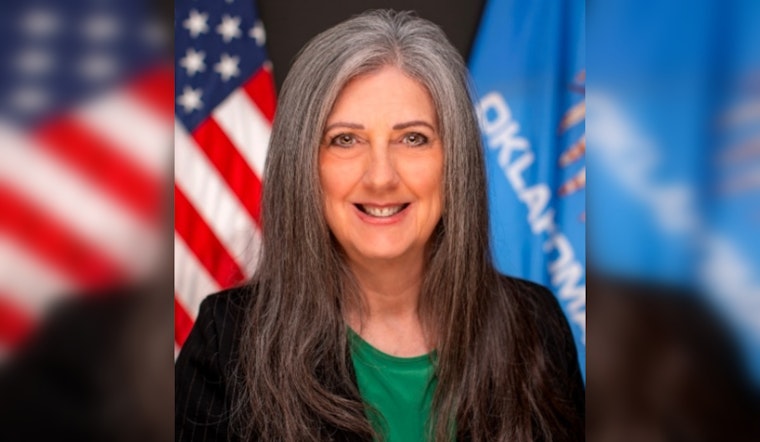
A new push at the Oklahoma Capitol would put hospitals on the front line for spotting domestic violence and commercial-sex trafficking. House Bill 3287 would require hospitals and other health care facilities to post signs in private patient areas and create reporting protocols so staff can notify law enforcement before a patient is discharged. Backers say the goal is to give victims discreet chances to ask for help during medical visits, away from the person who may be controlling the situation.
Rep. Cynthia Roe, a Republican and longtime nurse practitioner, introduced the bill this week. As reported by KOCO, the measure was presented yesterday and passed unanimously through committee. Roe told the station she zeroed in on hospitals because victims often show up in emergency rooms with injuries and that frequently in the environment, the perpetrator is sitting with the victim. In the same report, Roe said that many people may not realize they are being trafficked.
What the bill would require
As detailed by the Oklahoma Legislature, the introduced version of HB 3287 would require every hospital and health care facility to post domestic violence and human-trafficking signage in conspicuous and private areas. Facilities would also have to develop protocols for reporting suspected or confirmed cases to appropriate law enforcement before a patient is discharged.
The proposal calls for procedures to help law enforcement and the victim secure discharge or release without interference by, or notification to, the alleged perpetrator. The bill directs the State Department of Health to write rules that coordinate the placement, size and format of the required signs so hospitals are not left guessing about what is required.
Why backers say it matters
Roe told KOCO, "You know human trafficking is in our backyard, so that is a real big issue as well. So, a lot of these women may not realize that they are trafficking victims, and they don't realize what is happening to them is what we call human trafficking." Drawing on decades of clinical experience performing sexual-assault exams, she argued that hospitals can use brief windows when a victim is alone to offer support and resources. Supporters say that connecting emergency care with victim services in this way could give people a safer path out of abuse, although the details will depend on rulemaking and any amendments that emerge as the bill moves forward.
How hospitals could implement protocols
The bill text sets an effective date of November 1, giving the State Department of Health time to issue rules and hospitals time to prepare, according to the Oklahoma Legislature. Facilities would be expected to establish reporting systems that start before a patient leaves and could include a phone number victims can call later if they are not comfortable speaking up during the visit.
Questions about training, patient privacy and how to cover the costs of new signage and procedures are likely to surface during hearings and rulemaking, as hospitals work out how to fold the new requirements into already busy emergency departments and clinics.
What’s next
The measure still has to clear additional committees and then the full House before it can become law, giving advocates, hospital leaders and others a chance to weigh in. In the meantime, anyone who needs immediate help related to trafficking can contact the National Human Trafficking Hotline at 1-888-373-7888 for phone, chat or text options, or call 911 if you are in immediate danger.




