

























































A politically charged push to let Oklahoma pharmacists hand over ivermectin without a doctor’s note just cleared its first real test at the Capitol, setting up a fight that mixes rural access, pandemic-era resentment and public health warnings.
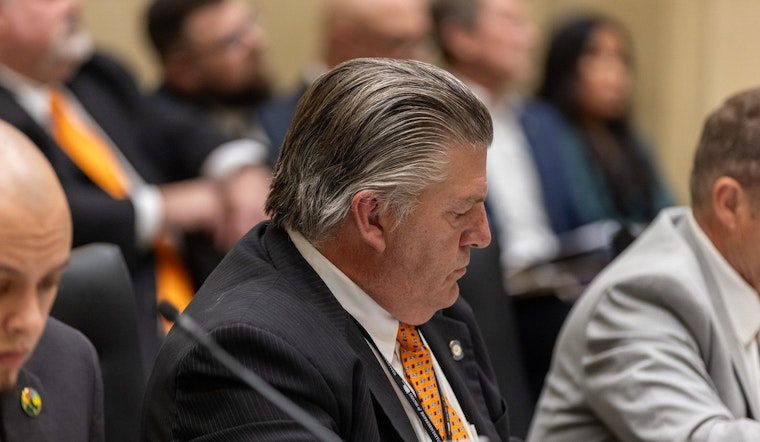
The proposal, House Bill 4124 from Rep. Scott Fetgatter, was advanced Wednesday by the House Public Health Committee on a 5-1 vote and now heads to another oversight panel. Supporters are selling it as a lifeline for rural residents who say it is a chore to see a clinician. Public-health advocates counter that the move could undercut long-standing federal guidance on how the drug should be used.
HB 4124 would allow a pharmacist to provide ivermectin formulated for human use to a person without a prescription and would curb civil and criminal liability for pharmacies that do so, according to a press release from the Oklahoma House of Representatives. The release also notes that the measure cleared the House Public Health Committee 5-1 and is now eligible to be taken up in the Health and Human Services Oversight Committee.
The bill language posted on the Oklahoma Legislature’s website states that pharmacists may dispense ivermectin "without requiring a prescription" and that pharmacists who act "in a reasonably prudent manner" would not face civil or criminal liability, although they could still run into professional discipline. The measure authorizes the State Board of Pharmacy to write rules and sets an effective date of November 1, 2026, if the bill ultimately becomes law (Oklahoma Legislature).
HB 4124 is one of several measures this session that aim to broaden what pharmacists can do and, in the words of backers, promote "medical freedom." Local coverage has flagged the bill as part of a larger health-policy package. StateImpact Oklahoma (KOSU) put HB 4124 on its list of health bills to watch and pointed to companion Senate proposals that would also expand access to ivermectin in different ways. StateImpact Oklahoma (KOSU) tracked those related measures earlier in the session.
Public-health agencies stress that ivermectin is approved for specific parasitic infections in people but has not been shown to prevent or treat COVID-19. Regulators also warn that veterinary formulations are not safe for human use. The U.S. Food and Drug Administration says it has not authorized ivermectin for COVID-19 and has documented cases in which people needed medical care after taking animal products. The FDA continues to advise against using animal ivermectin on people.
What the bill would change
Under HB 4124, pharmacists could dispense human-use ivermectin under standardized procedures or protocols issued by the State Board of Pharmacy. When required, they would be expected to give patients instructions for proper use. The bill also includes an immunity clause that protects pharmacists from civil or criminal liability when they dispense ivermectin in line with the statute, while still allowing the board to take professional disciplinary action if warranted. The full legislative language is available on the Oklahoma Legislature site.
Next steps and implementation questions
The measure is now eligible for a hearing in the Health and Human Services Oversight Committee and would have to clear that panel and then the full House before heading to the Senate. Committee calendars can shift, which means the timing of any hearing is not guaranteed. Legislative tracking services show HB 4124 was introduced earlier this month and has been routed through the committee process while lawmakers hash out details and potential tweaks to the policy language. LegiScan is keeping a running log of actions on the bill.
Supporters describe the proposal as a way to expand access for rural Oklahomans who do not have easy access to clinicians. Public-health officials worry that easier access could spur more unsupervised use of the drug. Other conservative-leaning states have already tested similar waters. Texas, for instance, adopted measures in 2025 to broaden access to ivermectin, a move followed closely by statewide media. The Texas Tribune covered that effort.
If HB 4124 becomes law, it would take effect November 1, 2026. That timeline would give regulators and pharmacies several months to write, review and implement rules if the State Board of Pharmacy decides to issue them. For now, lawmakers and health officials are watching to see when the oversight committee places the bill on its agenda and whether any amendments surface once public debate begins in earnest.





