

























































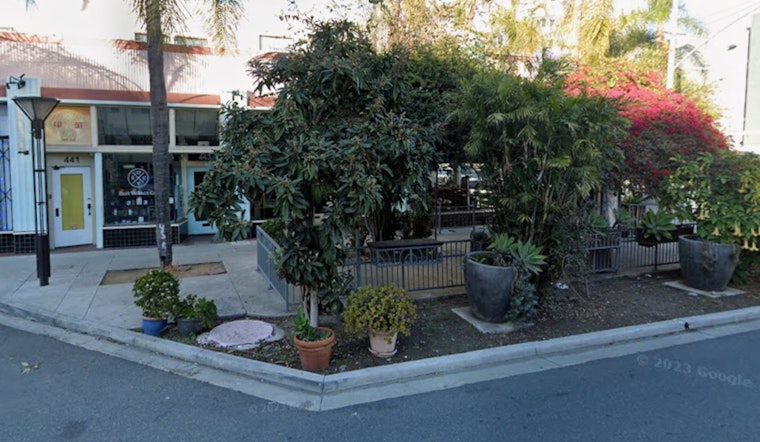
One of the self-proclaimed oldest coffee shops in Long Beach’s East Village quietly closed its doors late last month, just as a wage case caught up with it in court. Former employees and neighbors say the closure of the East Village Café, formerly known as the Village Grind, comes after years of complaints about unpaid minimum wage and overtime, and they are now waiting to see whether the state can actually get them the money they are owed.
According to the Long Beach Post, the State Labor Commissioner’s Office says the business shorted workers by roughly $65,000, largely by failing to pay minimum wage and overtime. With penalties tacked on, owner Richard Saldana was ordered back in 2019 to pay about $69,646. Investigators later alleged he tried to dodge that judgment by transferring the business to his fiancée, Emelida Garcia, and his mother. In court, the Labor Commissioner’s team argued the new ownership setup was essentially a “mere continuation” of the original operation.
The storefront at 443 E. First St. has been part of the East Village landscape for years. Listings and local business pages trace its history under the Village Grind name, and the East Village Café’s own website leaned into that legacy, marketing the spot as a fixture in the East Village Arts District’s long-running cafe scene. All of that made the sudden legal spotlight, and then the shutdown, hard to miss.
On Aug. 27, Los Angeles County Superior Court Judge Jerrold Abeles ruled that Garcia and Saldana’s mother are liable for the original judgment plus interest that has been building since 2019. The Labor Commissioner’s Office also says three additional wage-claim investigations, filed between September and January, now total more than $27,700.
Garcia told reporters the business “has no money,” pointing to a recent ADA lawsuit she said cost about $8,000, and adding that she had already paid roughly $5,000 toward earlier wage claims. The Labor Commissioner’s Office confirmed the newer claims remain under investigation and declined to go into further detail while those cases are still active.
What State Enforcers Can Do Next
California has tried to give the Labor Commissioner more teeth in wage cases, including tools such as levies, liens, and the ability to require a wage bond from employers with unpaid final judgments. As outlined by the NatLaw Review, those steps can make collecting on a final order more likely. But legal analysts also note that actually getting money out of small employers who shut down or claim insolvency can still be an uphill battle in practice.
What Workers Can Do If They Are Owed Pay
Workers who believe they are missing wages can file a claim with the state’s Division of Labor Standards Enforcement, then follow it through settlement conferences and hearings. The California Department of Industrial Relations offers step-by-step instructions on how to file, what records to bring, and how to reach the district office handling a particular case.
For now, the East Village Café’s space is closed and its fate is uncertain. Former employees and local residents say they will be watching closely to see whether the Labor Commissioner’s courtroom wins can be turned into actual back-pay checks for the workers who say they were left short.





