

























































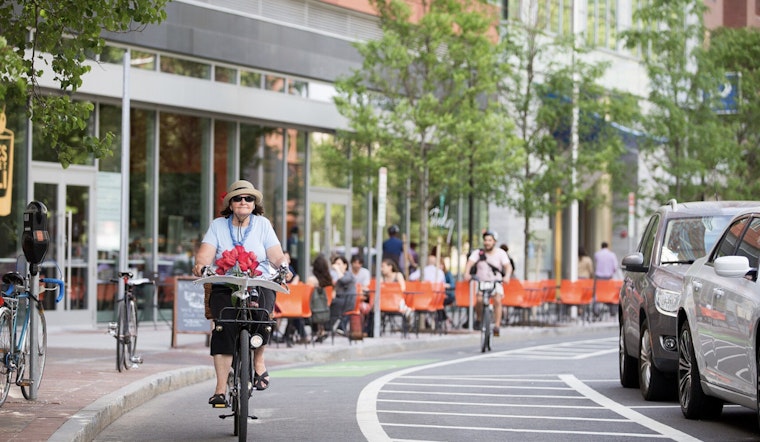
Manhattan Community Board 6 voted to oppose the city’s proposed unprotected bike lane on East 17th Street and urged the New York City Department of Transportation to pursue a fully protected design instead. In a resolution, the board said a painted, unprotected lane should be considered only if the agency cannot complete a feasibility study for a protected option before the city’s summer resurfacing schedule. The debate centers on the stretch between First Avenue and Park Avenue South in Gramercy, with board members framing the issue as a choice between maintaining parking and enhancing safety.
Board Backs Protected Lane, Demands Study
The full board of Manhattan Community Board 6 voted 35-4, with three abstentions, to back a protected bike lane on East 17th Street instead of the unprotected curbside strip DOT put on the table, according to Streetsblog New York City. The resolution, which allows for a conventional painted lane only if DOT has not wrapped up its feasibility study before resurfacing, came after reporting that the block between First Avenue and Park Avenue South saw 76 reported crashes that injured 40 people from January 2022 through December 2025. Transportation Committee Chair Jason Froimowitz told Streetsblog that the board supports installing bike lanes that meet its preferred design standards. Board member Barak Friedman said the board’s position is that safety considerations should be weighed against parking impacts.
Safety Data That Shaped the Vote
City data gave board members plenty of cover for insisting on protection. The Department of Transportation's before-and-after safety evaluation found that protected bike lanes reduced total injuries by about 14.8% and cut serious pedestrian injuries or deaths by roughly 29.2%, while conventional painted lanes delivered much smaller safety gains in many cases, as per NYC DOT. DOT's Safety Treatment Evaluation and its "Safe Streets for Cycling" work form the backbone of the board's argument that a protected design is not just a nice-to-have but a proven safety upgrade, especially on corridors with a track record of crashes. Those findings are part of DOT's public analysis of street treatments and cycling projects.
Next Steps And The Summer Timeline
DOT told the board in November that its upcoming resurfacing plan would stripe a conventional curbside bike lane while preserving all existing car storage, and that it would study protected options before implementation. Streetsblog also noted that DOT did not immediately respond to questions about whether it will speed up the feasibility study ahead of the summer work window. With crews expected to be on East 17th Street in the warmer months, the board's vote sets a tight schedule for DOT's analysis and puts public pressure behind a protected build.
The resolution directs the DOT to either complete its feasibility study in time to install a protected bike lane during the summer resurfacing schedule or proceed with a painted lane and revisit the design at a later date. Residents, cyclists, and transportation advocates are expected to monitor whether the agency meets the board’s requested timeline and how it addresses parking and infrastructure considerations.





