

























































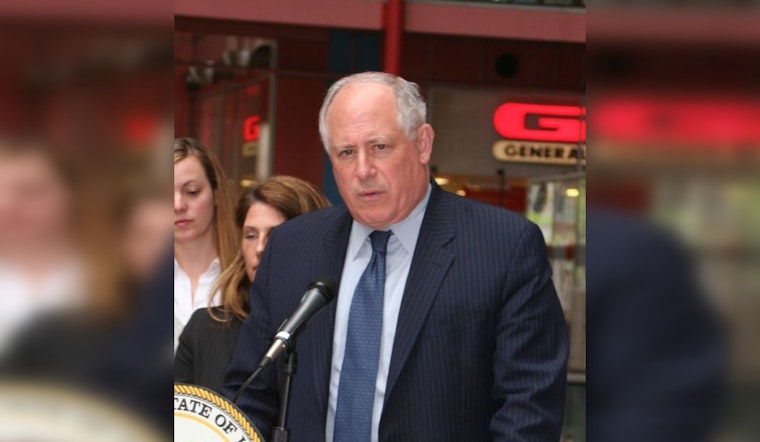
Former Gov. Pat Quinn returned to Springfield on Tuesday, Feb. 10, 2026, with a blunt offer for Illinois voters: approve a new surcharge on income over $1 million and use the cash to ease property tax pain for middle-class homeowners. He is pushing to move the idea from previous advisory questions to a binding constitutional amendment on the Nov. 3, 2026, ballot.
Quinn’s push in Springfield
Quinn told reporters he started his day with breakfast alongside Senate President Don Harmon and plans similar talks with House Speaker Emanuel "Chris" Welch and Gov. JB Pritzker. He argues that the current property tax system is "out of control" and that millionaires should pick up a bigger share of the tab. He wants lawmakers to vote in time to place an amendment on next year’s ballot. Those comments, along with his timetable, were reported by WAND.
Proposal details and revenue estimate
The measure Quinn and his allies are backing would tack on a 3% surcharge to individual income over $1,000,000, with the proceeds earmarked for property tax relief. The Illinois Department of Revenue has estimated that such a surcharge could bring in about $4.5 billion a year, and state return data show roughly 77,323 taxpayers reporting incomes above $1 million. Those figures, along with results from a recent advisory referendum, were documented by WGLT.
How it would reach voters
Illinois law currently requires a flat income tax, so any millionaire surcharge would need to be written into the state constitution. That means lawmakers must pass a legislatively referred constitutional amendment, which requires approval from three-fifths of the members elected to each chamber and has to be filed with voters at least six months before the election. In practical terms, supporters say the General Assembly would need to act by early May to get the question on the Nov. 3, 2026, ballot. The constitutional rules are laid out by the Illinois General Assembly.
Political hurdles and critics
Critics argue that the headline revenue figure tells only part of the story. Once broader state budget needs and the mechanics of distributing any new money are factored in, a conservative policy group has estimated that a 3% surcharge would still fall between $2 billion and $3.3 billion short of providing the level of property tax cuts supporters are talking about. That warning, and the larger fight over tax policy in Springfield, is already shaping how lawmakers and interest groups are lining up ahead of any formal amendment campaign. The shortfall estimate appears in an analysis by Illinois Policy.
What it would mean for homeowners
Supporters of the surcharge point to sharp property tax spikes in places such as Cook County and say a dedicated revenue stream could be funneled into existing rebate and relief programs. Illinois already has an Illinois Property Tax Relief Fund on the books as a special account in the state treasury that pays rebates to residential property taxpayers. By law, the fund "may accept moneys from any lawful source," which backers say would allow millionaire surcharge revenue to be delivered as targeted credits to homeowners. The fund’s statutory language is published on the Illinois General Assembly website, and recent reporting has highlighted the pressure that county-level tax hikes are putting on homeowners, including coverage in the Chicago Sun-Times.
Next steps
If lawmakers schedule and approve the amendment referral by the early May deadline, Illinois voters would be in for a statewide fight over the summer and fall on whether to lock a millionaire surcharge into the constitution. Fox 32 Chicago first aired video of Quinn’s renewed push on Feb. 10, 2026. The coming weeks will show whether legislative leaders are willing to let voters decide the question next November.



