

























































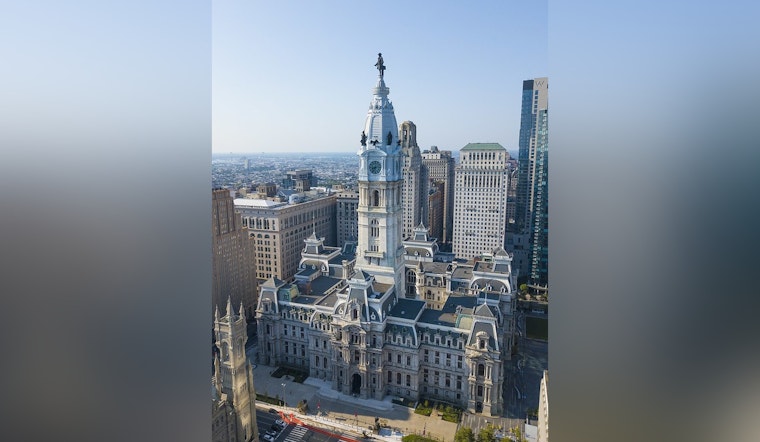
Philadelphia’s latest fight over how to tackle the legacy of slavery went public on Wednesday, when City Council’s Public Safety Committee spent more than three hours taking testimony on a proposal to create an Office of Freedmen Affairs. The new municipal office, supporters say, would identify descendants of enslaved people and help steer remedies such as scholarships, tax relief and other targeted programs. Backers framed the idea as a practical, status-based way to address inequities rooted in slavery, while city officials stressed it is still strictly exploratory with no dedicated funding. The hearing landed in the middle of Black History Month, as Philadelphia weighs how to confront its past in current policy.
Most of the witnesses were members of the Philadelphia Reparations Coalition for American Freedmen, who urged councilmembers to think beyond one-time checks and toward a permanent city structure. Councilmember Curtis Jones said Philadelphia could look at “common-sense” measures rather than one-off cash payments, according to WHYY. Committee members pressed witnesses for hours on who would qualify and what a city office could realistically deliver.
A formal resolution, File No. 250781, gives the Public Safety Committee authority to hold hearings on establishing the Office of Freedmen Affairs, and the city’s legislative record shows the committee met Wednesday to take testimony, according to City legislative records. The resolution pitches the office as a municipal agency that could “support the health and economic prosperity” of descendants of emancipated persons, while calling for a careful study of legal authority, funding streams and program priorities before anything moves forward.
Those who testified pushed for a lineage-based approach to reparations rather than broad, race-only criteria. “We’re the only ethnic group in this country, as a class of people, that have laws written against us since slavery ended,” witness Robert E. Williams told councilmembers, according to WHYY. Several speakers pointed to a 2004 city rule they say requires insurers doing business with Philadelphia to disclose any historical ties to slavery, and argued the city could build on that reporting authority when designing eligibility rules and outreach strategies.
What the office would do
The resolution sketches out an agency that would identify lineal descendants of enslaved people, document historical and ongoing harms, and coordinate remedies across city programs, according to City legislative records. Proponents told the committee the office could centralize genealogy work, community outreach and benefit design so that any future programs, whether scholarships, tax exemptions or other supports, actually reach qualifying families instead of getting lost in the bureaucracy.
How California's example shapes the debate
Supporters repeatedly pointed west, citing California’s recent attempt to build a statewide reparations framework as a cautionary model. The state created a bureau last year to verify descendants and coordinate reparative work, although lawmakers and the governor pared back or delayed some measures because of legal and budget concerns, according to CalMatters. Advocates in Philadelphia said that experience shows how quickly ambitious plans can collide with lawsuits and fiscal trade-offs once ideas leave the hearing room and hit the real world.
Where this goes next
Councilmember Jones wrapped up the hearing by saying committee members would share the testimony with the Committee of the Whole and weigh next steps this spring. The Committee of the Whole, which includes all councilmembers and reviews major legislation, would be the next stop if lawmakers decide to move from study to a formal bill, according to the council’s legislative tracker.
Legal and political hurdles
City lawyers and activists alike warned that a lineage-based reparations program would raise tricky constitutional and statutory issues. California’s rollout is already serving as a case study in how state-level reforms can be hemmed in by court challenges and voter-backed limits such as Proposition 209, which legal experts say complicate race-based eligibility, according to CalMatters.
The Public Safety Committee is now set to compile testimony and staff analyses while councilmembers decide whether to draft an ordinance. If the city moves ahead, residents can expect more public hearings and a detailed look at legal authority, funding options and the nuts and bolts of genealogy and outreach work before any Office of Freedmen Affairs becomes a reality.





