

























































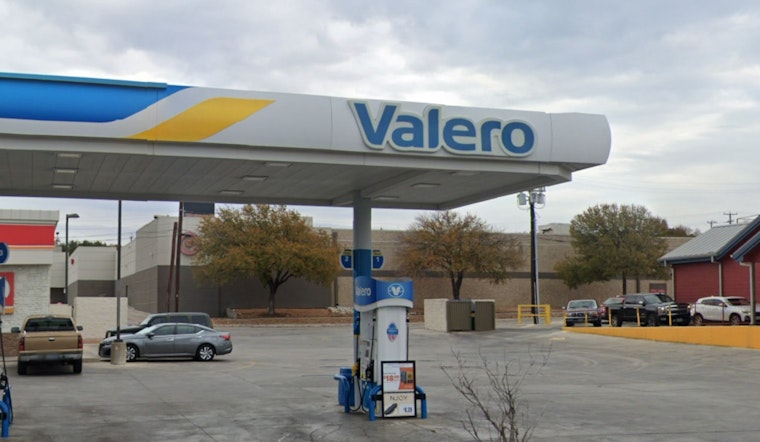
Valero Energy is getting ready to crank up the heavy crude in a big way. The refiner plans to import up to 6.5 million barrels of Venezuelan oil in March, a volume that would mark its biggest intake from the country since U.S. sanctions tightened in 2019. The crude is headed for Valero's Gulf Coast system, anchored by its recently upgraded Port Arthur complex, and could be enough to nudge Valero past Chevron as the leading U.S. buyer of Venezuelan heavy barrels if every shipment comes through. The push follows a series of U.S. licensing moves and a high-profile supply deal that have pried open the door again for Venezuelan oil to reach American refiners.
The buying program first surfaced in reporting from Reuters, which said the March slate amounts to roughly 210,000 barrels per day if all the cargoes arrive as planned. According to that reporting, Valero's lineup includes deals struck with trading houses and some volumes that could be supplied by Chevron. Sources also told Reuters the loading schedules are still fluid, so the final tally could shift.
Port Arthur expansion gives Valero an edge
Valero's own figures put the Port Arthur refinery's crude capacity at about 435,000 barrels per day, and the site is geared to run heavy, sour grades that look a lot like Venezuelan crude. Valero says work wrapped up in 2023, including added coker capacity, has significantly boosted the plant's ability to chew through those heavier barrels.
U.S. licenses reopen trade with strings attached
In Washington, regulators have cleared a narrow path for this trade to happen. General licenses allow certain U.S. companies to buy and refine Venezuelan-origin oil and to ship U.S.-origin diluents to Venezuela, but there are tight conditions around how deals are structured and paid for. Under the U.S. Treasury's Office of Foreign Assets Control (GL-46) and GL-47, contracts must be governed by U.S. law, payments to blocked parties have to move into a U.S.-controlled fund, and companies must submit detailed export reports.
Valero's play: cheap heavy crude, busy cokers
Valero executives have already been signaling that Venezuela is back on their menu. The company told investors that it is actively evaluating Venezuelan grades and has been in discussions with sellers who are cleared to move those barrels. On a Jan. 29 earnings call, VP Randy Hawkins said Valero had engaged with the three authorized sellers and expected Venezuelan crude to account for a pretty large part of its heavy crude slate in February and March, according to the earnings-call transcript.
Where the oil is coming from
The surge of interest did not happen in a vacuum. A January agreement between Washington and Caracas to monetize Venezuelan barrels, described as a roughly $2 billion supply arrangement, helped restart flows to U.S. buyers, Reuters reported. That deal, together with fresh authorizations for trading houses, has put more Venezuelan heavy crude up for grabs for Gulf Coast refiners.
Legal implications
The licensing framework gives refiners like Valero a legal way back into Venezuela's oil patch, but it is hardly a free-for-all. GL-46 narrows who can rely on the authorization, blocks certain payment structures and requires contracts governed by U.S. law. GL-47 sets the rules for diluent exports and accompanying reports. Legal advisers caution the permissions are tightly drawn and come with ongoing monitoring duties; Holland & Knight has laid out the fine print on those conditions.
For now, traders and refiners will be glued to vessel tracking data, loading updates and any new signals from the U.S. Treasury as March draws closer. If the barrels show up as planned, the real test will come on the U.S. Gulf Coast, where heavy crude balances and refinery runs, especially at Port Arthur, will reveal how quickly the market can soak up a fresh wave of Venezuelan oil.





