

























































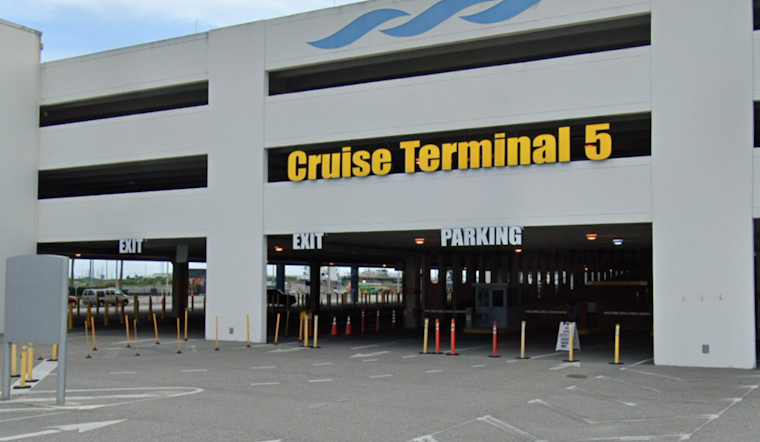
Port Canaveral is throwing extra money and manpower at its Cruise Terminal 5 expansion, bumping the budget to about $78 million and loading up on overnight shifts in a sprint to finish earlier than planned. The landside overhaul will nearly double the terminal’s footprint, with bigger luggage halls, more security processing, and a relocated federal inspection area all geared toward handling larger ships and heavier drive-in passenger traffic ahead of a packed summer schedule.
According to the Orlando Business Journal, the Canaveral Port Authority signed off on roughly a $10 million boost today, lifting the landside Cruise Terminal 5 package to about $78 million. The outlet reports that the added cash will cover extra crews and night shifts intended to speed up construction and shave weeks off the timetable. That decision builds on earlier contract awards and design approvals that got the project moving in 2025.
What the expansion includes
Port documents show that the landside work will grow Cruise Terminal 5 from roughly 90,000 square feet to about 170,000 square feet, adding more seating, a larger baggage hall, extra security lanes, and a new Customs and Border Protection federal inspection station, according to Port Canaveral. In a May 2025 announcement outlining a larger capital plan, the port said the Cruise Terminal 5 upgrades are meant to accommodate bigger ships and more drive-in guests, adding that "These port-wide investments are designed to leverage the Port’s success." The terminal expansion is one piece of the port’s multi-year investment program.
Timeline and operations during work
Industry coverage indicates port leaders are working on a tight schedule and are pushing for substantial completion by late September 2026 so the facility can support summer arrivals of larger vessels. Seatrade Cruise News reports that construction will be staged to avoid disrupting ship turns, with much of the work pushed into overnight windows and gaps between calls. Port officials told commissioners that the accelerated schedule is driving the need for more funding and expanded crews.
Port staff have stressed that Cruise Terminal 5 will stay open throughout construction, with contractors working around embarkation and debarkation periods to keep passenger impacts in check. Coverage by CruiseMapper notes that the expansion originally advanced at roughly $69.9 million in mid-2025, and that the current uptick reflects schedule pressure and scope adjustments. The port says careful staging, white-glove cleaning protocols, and owner’s representation will be used to keep the terminal presentable while crews build around active operations.
Why it matters for travelers and the local economy
So what is driving the rush? Demand. Port Canaveral logged a record March with nearly 926,000 cruise passengers and operating revenue passing the midpoint of the fiscal year, straining parking and staging capacity, as reported by the Orlando Sentinel. Those packed months are a key part of the argument for more terminal space and additional parking infrastructure. Local businesses that feed into port operations are tracking the work closely, since construction affects vehicle movement and supply deliveries throughout the port district.
The Cruise Terminal 5 project is tied into a broader fiscal plan that includes new parking garages, roadway upgrades, and added waterside work, according to the port’s media materials. Port Canaveral says the FY-26 capital program prioritizes cruise landside and waterside projects to support higher passenger volumes. Commissioners are set to keep reviewing contract modifications and change orders as the accelerated build-out continues.
What’s next
With the extra funding locked in, port managers say they will keep a close eye on progress and adjust staging to protect existing sailings while accelerating work wherever it is practical to do so. Industry reporting indicates the target for substantial completion remains late September 2026, according to Seatrade Cruise News, though officials have cautioned that phasing will continue to evolve as ship deployments and peak traffic days are refined. Travelers are being urged to watch port bulletins for short-term changes to parking or check-in patterns as the construction effort moves forward.





