

























































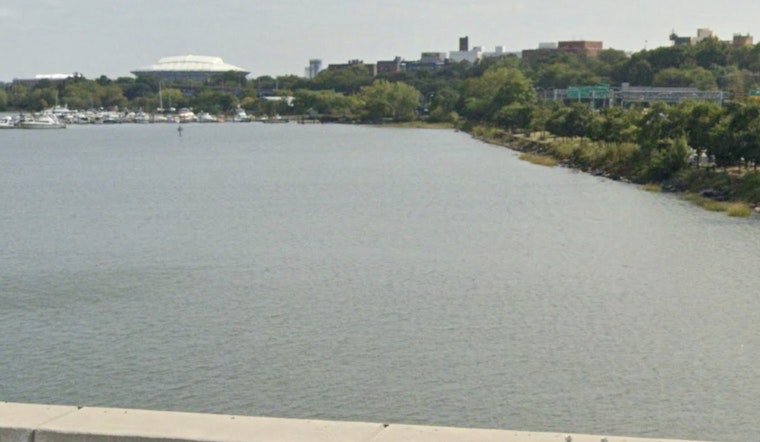
On Feb. 15, 2026, three environmental groups hauled New York City into Queens Supreme Court, filing a lawsuit to stop the Department of Environmental Protection from seasonally chlorinating combined sewer overflows into Flushing Creek. The plaintiffs, Guardians of Flushing Bay, Riverkeeper and Save the Sound, argue that DEP used a shortcut environmental review and that the chlorination plan risks adding harmful residual chlorine and disinfection byproducts while leaving the huge volumes of sewage and trash that hit the creek every year essentially untouched. Their complaint asks the court to throw out DEP's negative declaration and require a full Environmental Impact Statement that would take a hard look at other options.
Groups want a deeper SEQRA review
The suit contends that DEP's supporting study was too thin and that the agency was wrong to issue a "negative declaration" under state environmental law, according to Riverkeeper. The groups want the court to order a full EIS that would examine long-term ways to cut discharges, including expanded green infrastructure or sending the flows to a new treatment facility instead of relying on partial chemical treatment, Save the Sound said.
What DEP proposed
DEP's plan, which the state Department of Environmental Conservation labeled a "Negative Declaration" in October 2025, would install seasonal chlorination and dechlorination systems at outfalls TI-010 and TI-011 and run them during the May 1 to Oct. 31 recreation season, according to the NYSDEC. Materials the agency presented at a borough president land use hearing show a planned dechlorination building on part of a Home Depot lot at Avery Avenue and a separate treatment location near the 32nd Avenue traffic triangle under the Whitestone Expressway, as summarized by Citizenportal.ai.
Groups warn of chemical and ecological risks
"New York City cannot solve a billion-gallon sewage problem by simply adding chlorine to it," Riverkeeper Legal Program Director Mike Dulong said, arguing that leftover chlorine and disinfection byproducts could damage fish, birds and wetland plants. The plaintiffs maintain that the chlorination setup would not cut the actual volume of sewage and floating trash that pours into Flushing Creek and therefore does not deal with the source of the problem, according to their joint statement.
Local reaction and the legal path forward
Neighbors and local boards have been split over the proposal. The Queens Chronicle reported that Community Board 7's environmental committee voted 12-3 to reject DEP's plan, even as the full board narrowly signed off by a 21-20 vote. The Chronicle also reported that the city's Law Department is reviewing the case and did not offer further comment in that account.
What comes next
If the court decides DEP's negative declaration did not pass legal muster, the lawsuit could force the agency to prepare a full Environmental Impact Statement, which would stretch out the review timeline and bring more opportunities for public input. DEP has told officials, according to the hearing summary, that its modeling shows the disinfection setup could treat about 91 percent of targeted combined sewer overflow volumes during the recreation season and that a comparable storage tunnel would be far larger and more expensive. For now, the agency is continuing land use and property work on the project while the legal challenge moves ahead.





