

























































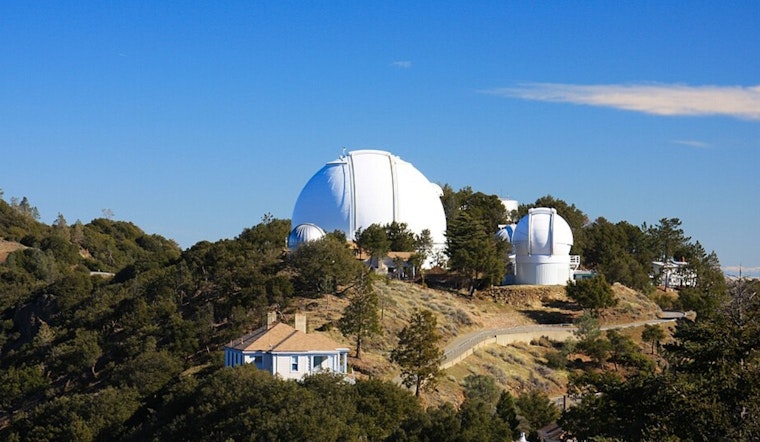
High above the Bay Area, Lick Observatory’s 36-inch Great Refractor is now hunkering down under a fresh temporary shield as another round of winter storms marches in, just over a month after a violent Christmas windstorm ripped open part of its dome. Staff and contractors have thrown a protective cover over the dome slit to keep rain from pouring in while they shore up the building. The telescope itself avoided a direct impact, but lingering moisture and fierce winds left its finely tuned lenses and electrical systems exposed to potential damage. For now, the visitor center is closed, access is tightly limited, and engineers are sketching out long-term repair plans.
Christmas Chaos And Immediate Risks
In the early hours of Dec. 25, 2025, powerful gusts that topped out at 114 mph ripped away roughly half of the Great Refractor’s shutter and hurled the multi-ton piece onto the roof of the adjacent Great Hall, crushing structural beams, according to a university press release cited by UC Santa Cruz. Staff members who stayed on site through the storm quickly wrapped the 57-foot telescope in tarps and rushed delicate instruments out of the exposed dome, but officials warned that the gaping opening left its optics and electrical gear vulnerable to rain and further wind-driven damage.
Temporary Cover Finished Feb. 3-4
On Feb. 3-4, crews finished a waterproof temporary cover over the dome slit and added metal flashing around the 36-inch dome so incoming storms would not send rain straight onto the instrument, as forecasters predicted more wet weather for Mount Hamilton, according to the San Francisco Chronicle. Observatory officials say the emergency shield is a stopgap to protect the historic refractor while staff and engineers work out a plan for full dome restoration.
How Crews Scrambled To Stabilize The Site
Observatory updates report that crews have been running industrial blowers inside the dome to dry out the floor, boarding over damaged sections of the roof, and working alongside disaster-recovery contractors to keep any new water from seeping in. A Jan. 14 site bulletin described these drying and containment measures in detail and urged supporters to help cover recovery costs, according to Lick Observatory.
Access, Research And The Money Question
The facility, operated as part of the University of California Observatories system, will stay closed to visitors while engineers complete structural reviews and safety work, the system notes. To help cover staff overtime and recovery expenses that may fall outside insurance coverage, UCO and the observatory have directed potential donors to official giving channels, according to UC Observatories.
Repairs Expected To Take Months
“Restoring the dome will be a long process, measured in months, not weeks,” the observatory said in an update, adding that crews are prioritizing a permanent solution that will not harm the historic structure as it is installed, according to UC Observatories. The temporary cover is expected to keep water off the Great Refractor while contractors evaluate replacement options and line up the necessary parts.
Why The Great Refractor Still Matters
Built in the 1880s and in continuous use for nearly 140 years, the 36-inch Great Refractor was once the largest telescope of its kind and still anchors the observatory’s education and public-viewing programs. The pause in tours and public nights is a stark reminder of how vulnerable century-old instruments can be on an exposed mountain and why teams are racing to shield the telescope before any more storms roll through, according to the San Francisco Chronicle.





