

























































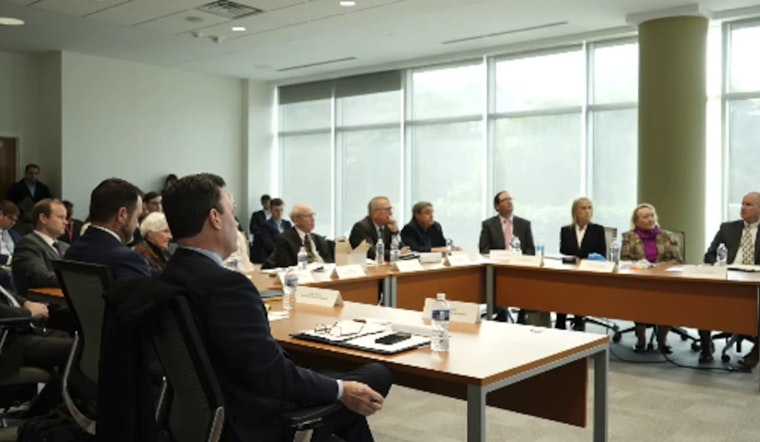
A bipartisan, 22-member commission met in Raleigh on Tuesday to start the slow and not-so-glamorous work of dragging North Carolina’s election tech into the modern era. The Modernization of Election Data Systems (MEDS) Commission is tasked with untangling the Statewide Elections Information Management System (SEIMS), software first built in 1998, and advising on a separate overhaul of how campaigns report spending. Officials are pitching it as a practical, nuts-and-bolts effort to speed results, tighten security and make reporting less of a headache for candidates and the public.
Who’s on the commission and what they’ll do
State Auditor Dave Boliek created the panel and will chair it. The 22 voting members include county elections directors, county board chairs, academics and policy experts who will dig through vendor proposals and scrutinize security protocols. Per the State Auditor's office, MEDS will also help steer a separate overhaul of North Carolina's campaign finance reporting software and then keep an eye on implementation as the new system comes online.
Timeline and funding
Lawmakers tucked about $15 million into last year’s budget to get the upgrade started, though officials say that will probably not cover the full cost of a complete replacement. As reported by WRAL, the commission is aiming to have a modern election management system in place by July 2027, while rolling out incremental updates to keep the current system upright in the meantime. Officials have described SEIMS as a patchwork of aging code stitched together with newer web tools, a mix that creates long-term maintenance and security headaches if it is allowed to sit unchanged.
Campaign finance overhaul aims for summer 2027
Fixing the campaign finance software is near the top of the to-do list, in part because the current filing system is slow and, in some cases, tied to Windows machines. Sam Hayes and other election leaders told WUNC they hope to pilot a replacement in January and have a fully operational system by July 1, 2027, so that municipal contests and pre-2028 filings can run through the new tools. The goal is to move from clunky manual uploads and hard-to-follow reports to a searchable, more user-friendly public database.
Officials say current system is secure
At the commission’s first meeting, leaders stressed that modernization is about reinforcing what already works, not scrambling to fix a system on the verge of collapse. They said SEIMS is still producing accurate results. As reported by WCNC, officials repeatedly emphasized that the project is designed to boost speed and transparency while preserving security. Commissioners signaled they will move carefully, soliciting public input and vendor proposals before signing off on any big changes.
Politics, lawsuits and public trust
The timing is not exactly quiet. The modernization push comes amid partisan tension and lingering doubts about election administration after the 2024 cycle. WRAL noted that a high-profile legal challenge to a 2024 state Supreme Court race, along with related disputes, has put a bright spotlight on how voter data is handled and helped fuel calls for clearer, easier-to-audit systems. Boliek and other commission members said MEDS’ bipartisan lineup is meant to shore up cross-party confidence as the state pursues these technical fixes.
What’s next
In the coming months, the commission will sift through responses to the state’s request for proposals, take public comment and make recommendations to the State Board of Elections and the Auditor’s office on vendors and rollout strategy. According to the State Auditor’s meeting notice, the inaugural session was open to the public and livestreamed, and the plan calls for a phased implementation to avoid disrupting ongoing elections. Earlier this month, Hoodline covered the commission’s formation as the state’s latest attempt to update its election infrastructure.





