

























































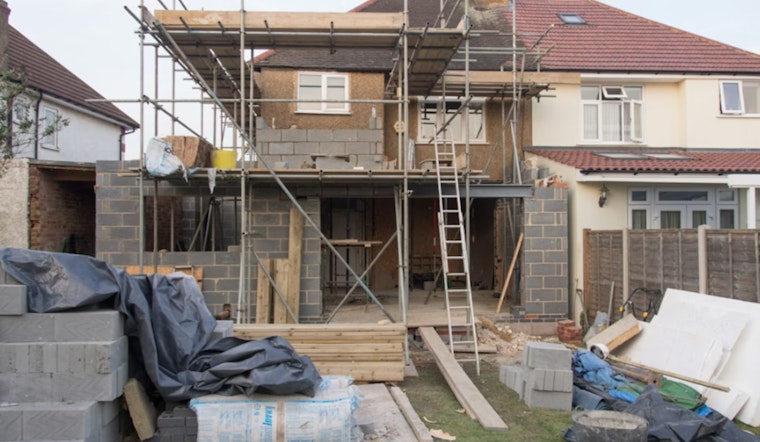
New home construction is exploding across the Triangle, giving buyers more choices than they have had in years, along with a fresh set of headaches. Brand new houses can still hide sloppy workmanship, leaks and moisture issues that only show up after the drywall is in and the check has cleared. Local inspectors say the easiest way to avoid an expensive surprise is to bring in your own inspector for phase specific checks before you close.
Why an independent inspector is worth it
“We like to say homes are built by humans, and mistakes happen,” Patrick Madigan told WRAL, arguing that third party inspectors often catch problems municipal crews miss. He noted that an independent inspector might see only two or three houses a day, while county inspectors are racing through many more sites, which makes that extra set of eyes especially valuable on new builds.
Madigan pointed to one case where mold in a crawl space was discovered and cleaned up before closing, a fix that would have been far more invasive and expensive once the buyers moved in.
Triangle building boom by the numbers
A report from Realtor.com ranks Raleigh Cary among the top 10 U.S. metros for new construction. Roughly 47.3% of for sale listings in the metro are new builds, and those homes carry a median list price near $450,767.
Realtor.com also flags climate and market “hotness” metrics. New homes in the Raleigh Cary area show higher fire risk scores and draw fewer page views, which can translate into a bit more negotiating power for buyers. With that much inventory on the ground, builders and buyers are both moving fast across Wake and surrounding counties.
The crucial pre drywall checkpoint
According to HomeTeam, the best time to uncover hidden problems is a pre drywall phase inspection, when the framing, rough plumbing, electrical and ductwork are still exposed.
Inspectors say buyers should focus first on the skeleton of the home: roof trusses, framing and load bearing connections. From there, they recommend checking the foundation or crawl space for moisture or mold and verifying that HVAC lines, plumbing and electrical runs are installed and routed correctly.
Catching issues at this stage gives buyers the strongest leverage to have builders correct defects before finishes go in and warranties start ticking.
When the builder drags their feet on repairs
If defects turn up early, many builders will address them before closing, but buyers are urged to get every promised fix in writing and to ask for photo documentation when work is finished. As WRAL notes, buyers who still end up with unresolved problems can file a complaint with the North Carolina Licensing Board for General Contractors, which explains how to submit evidence and outlines what the board can and cannot enforce.
Inspectors and consumer advocates alike say to hold on to everything: warranties, email threads, repair promises, walk through notes and photos. Those records often become crucial if you need backup later.
Choosing your inspector and nailing the final walk through
Experts recommend hiring an inspector who clearly advertises new construction experience and who is willing to handle both the pre drywall and the final Phase 3 inspection so nothing slips through the cracks between visits.
Many Triangle firms offer extra services, such as mold testing, radon checks and sewer scopes, which can reveal issues that a standard visual inspection will not catch. Realm Inspections and other local providers advise scheduling a Phase 3 or final inspection before you take ownership so any defects are documented and can be addressed under the builder’s warranty.
For anyone shopping new construction in the Triangle, the message is simple: treat inspections and written repair agreements as non negotiable. In a Raleigh Cary market where new builds are going up fast, a little extra legwork before closing can save you thousands of dollars and a lot of stress later.





