

























































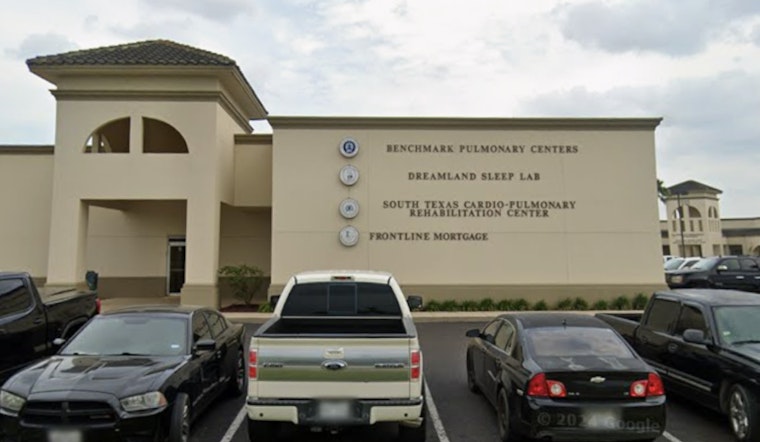
Six South Texas doctors and their medical practices have agreed to shell out $4,855,844 to settle claims that they juiced the system with high-dollar bills for critical care and pulmonary testing that prosecutors say either were not medically necessary or never happened at all. The civil settlement, announced Wednesday, names Drs. Javier Cabello of San Benito, Ammar Halloum of Brownsville, Jamil Madi of Olmito, Jairo Rodriguez of Rancho Viejo, Ricardo Schwarcz of Weslaco and Stanley Sy of Pharr. Prosecutors say the billing in question ran from Jan. 1, 2020, through May 31, 2023, and centered on top-tier critical care codes and routine pulmonary function tests.
What Prosecutors Allege
In a press release from the U.S. Attorney's Office for the Southern District of Texas, federal prosecutors said the doctors and their affiliated practices agreed to pay $4,855,844 to resolve allegations that their medical records did not back up the services they billed or that some of those services were never provided. The release ties Benchmark Inpatient Services PLLC, doing business as Beyond Inpatient Services, and Brownsville Pulmonary Center to the disputed claims.
U.S. Attorney Nicholas J. Ganjei did not mince words in the U.S. Attorney's Office for the Southern District of Texas release, saying, "Our country's most vulnerable deserve care based on their medical need, not on a doctor's unscrupulous desire to line their own pockets." The announcement also notes that the investigation pulled in the HHS Office of Inspector General, the FBI and the Defense Criminal Investigative Service, with help from the Texas Attorney General's Civil Medicaid Fraud Division.
Allegations In Focus
According to prosecutors, the defendants billed critical care time for patients who were stable, for routine follow-up visits or for encounters that never took place. They are also accused of billing pulmonary function tests for routine checks that Medicare does not cover unless there are documented medical indications.
Medicare guidance generally uses CPT code 99291 for the first 30 to 74 minutes of critical care, and providers are expected to document why such intensive services are medically necessary in order to justify reimbursement for pulmonary function tests.
How The Case Came Together
The settlement traces back to a qui tam whistleblower lawsuit filed under the False Claims Act, a law that allows private individuals to sue on the government's behalf and potentially collect a share of any recovery. Federal prosecutors later publicized the resolution on X, linking to the full release and a short rundown of the allegations.
Legal Implications
The matter wrapped up as a civil settlement under the False Claims Act. Officials stress that the claims resolved in the agreement are allegations only and that there has been no determination of liability. The False Claims Act lets the government pursue triple damages plus per-claim penalties and offers whistleblowers a cut of recoveries, as outlined in a Congressional Research Service report on Congress.gov.
For patients and taxpayers in the Rio Grande Valley, prosecutors cast the case as part of a broader push to safeguard federal health care programs and keep care tied to genuine medical need. Assistant U.S. Attorney Laura E. Collins handled the matter for the Southern District of Texas, and any court approvals or follow-up filings will appear in the public court record.





