

























































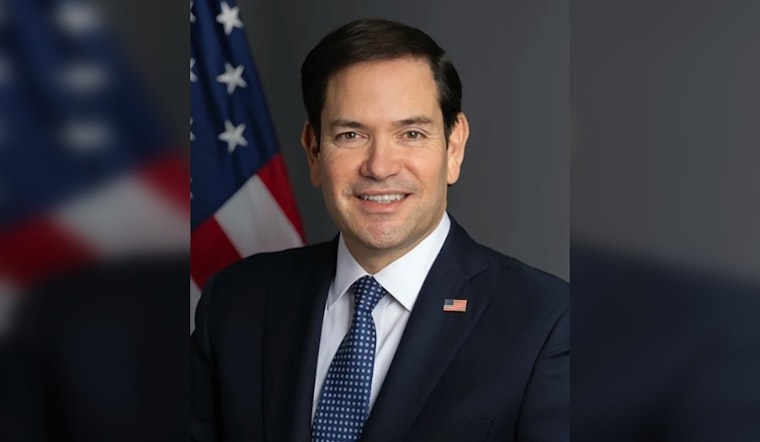
Secretary of State Marco Rubio on Friday rolled out a new diplomatic scarlet letter for Tehran, announcing that the United States has formally designated Iran as a “State Sponsor of Wrongful Detention,” a label aimed squarely at governments that lock up Americans as bargaining chips. Rubio said the designation opens the door to sanctions, visa limits and other penalties, and he bluntly urged any U.S. citizens still in Iran to get out immediately.
How the New Label Works
The move is built on a September 2025 executive order that authorizes the secretary of state to name countries that wrongfully detain Americans and then hit them with a menu of responses, including economic sanctions, export controls, visa restrictions and even geographic limits on the use of U.S. passports. The criteria for naming a country and the steps required to remove that label are spelled out in the Federal Register.
What Officials Said
In announcing the designation, Rubio said Iran must “stop taking hostages and release all Americans unjustly detained,” warning that continued detentions could trigger additional measures. As CBS News reported, this is the first time Washington has formally used the State Sponsor of Wrongful Detention framework, and officials signaled that the step is intended to crank up pressure on Tehran at a tense moment for diplomacy.
FBI Flags Cases and Coordination
The FBI’s Los Angeles field office quickly amplified Rubio’s move on X, steering readers to FBI wanted pages and highlighting the role of the interagency Hostage Recovery Fusion Cell in trying to bring Americans home. The post resurfaced long running cases, including that of former FBI agent Robert A. Levinson. The Treasury Department has previously sanctioned Iranian intelligence officers tied to Levinson’s abduction and probable death.
Why It Matters for Americans
Iran is already on Washington’s separate list of state sponsors of terrorism, and the existing travel advisory from the State Department tells U.S. citizens not to travel there and urges those already in the country to leave as soon as possible. The wrongful detention label creates a different set of authorities that could, for example, bar the use of U.S. passports for travel to or through a designated country, a step that the underlying executive order explicitly includes among possible responses, according to the Federal Register.
Legal and Diplomatic Fallout
Congress moved last year to lock in formal procedures around how wrongful detention cases are reported and how designations are made, including requirements for regular briefings and written justifications, as detailed on Congress.gov. The new label hands the administration extra tools to squeeze Tehran, yet it also raises the diplomatic stakes for negotiators who are trying to secure the release of detained Americans without closing off channels for talks.
Next Steps and Who’s Watching
Families of detainees, advocacy organizations and diplomats will now be watching closely to see whether this designation produces anything beyond tough rhetoric while the Hostage Recovery Fusion Cell coordinates the U.S. response across agencies. The HRFC was created in U.S. law to bring together resources from the FBI, State, Treasury, Defense and the intelligence community and to support families throughout often lengthy hostage and wrongful detention cases, according to the U.S. code.





(2).jpg)