

























































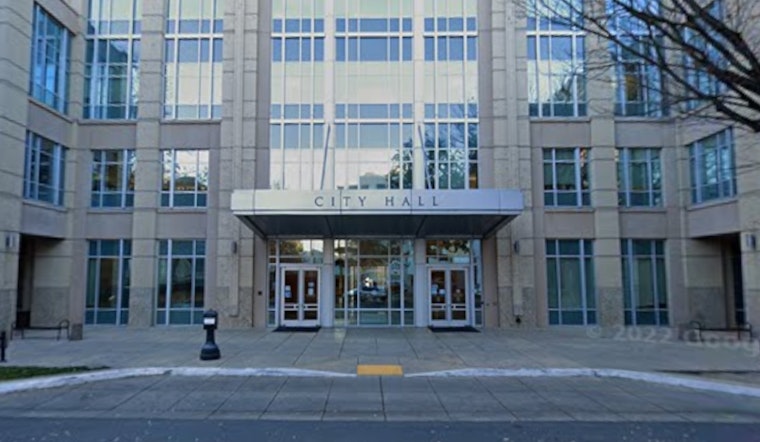
The City of Sacramento has agreed to a $2.2 million settlement with Daniel Garza, a National Lawyers Guild legal observer who was struck in the forehead by a projectile while recording downtown protests in May 2020. Garza sustained a traumatic brain injury and ongoing cognitive issues that disrupted his plans to take the bar exam and pursue a legal career. The settlement, finalized over five years after the incident, resolves his claim against the city.
According to The Sacramento Bee, the city agreed to pay the $2.2 million without admitting wrongdoing or liability. The Sacramento Police Department has told reporters it plans to release records tied to the case now that litigation has wrapped up, although officials have not given a clear timeline for when those documents will go public. Local advocates note that the deal is one more entry in a growing ledger of city payouts tied to protest policing during that period.
What Happened on J Street
Court filings and contemporary news accounts say Garza was wearing a neon green hat marking him as a legal observer and was recording video as officers advanced near 21st and J streets in downtown Sacramento. At some point in that police movement, a projectile struck him in the forehead, a hit that came while he was in a role specifically meant to document law enforcement behavior.
The impact left Garza concussed with symptoms consistent with a traumatic brain injury, according to the Los Angeles Times. His case became one of several folded into broader federal litigation that accused Sacramento police of using excessive force and violating protesters’ constitutional rights during the George Floyd demonstrations.
Life After the Injury
Garza’s legal team says the blow triggered bleeding, persistent memory problems, panic attacks and executive function issues that have made it difficult for him to study for and pass the bar exam. Those long term needs, they argue, were central to how the city valued his claim.
Settlement records and interviews summarized by The Sacramento Bee also note that the officer publicly linked to the incident is still employed by the department and currently holds the rank of sergeant. That detail has fueled fresh calls from local advocates for more transparency around discipline and internal findings.
Records, Transparency and SB 1421
California’s post 2018 transparency laws require the release of many records related to serious uses of force and certain types of misconduct, but newsrooms and open government advocates say agencies often stumble over how fast to release those files and how much to redact. The First Amendment Coalition notes that SB 1421 and related measures significantly expanded public access to police personnel files, and that delays or partial disclosures have become a recurring flashpoint across the state.
In that context, Sacramento police promising to publish documents tied to Garza’s case has become a key test for those who want to see how, or if, the department holds its own officers accountable after multimillion dollar settlements.
One Big Check in a Pattern of Payouts
Civil rights lawyers and watchdog groups say Garza’s settlement joins a series of six figure and multimillion dollar payments stemming from injuries at Sacramento protests in late May and early June 2020. Local coverage and litigation summaries have tracked other substantial checks, including a $3 million settlement to a woman who was blinded in one eye and a separate $350,000 payment to a group of people injured in the same time frame. Those figures and the accounts behind them were detailed in reporting by the Davis Vanguard.
The city’s payment to Garza resolves his individual claim, but it leaves open the larger questions that have haunted Sacramento since 2020, including what discipline, if any, officers will face and whether policy changes will follow. Federal court records compiled by the Civil Rights Litigation Clearinghouse show that Garza was among the plaintiffs in the Ruiz v. City of Sacramento case, a lawsuit that generated a thick stack of filings now used as raw material in the ongoing public fight over protest policing, transparency and accountability.




