

























































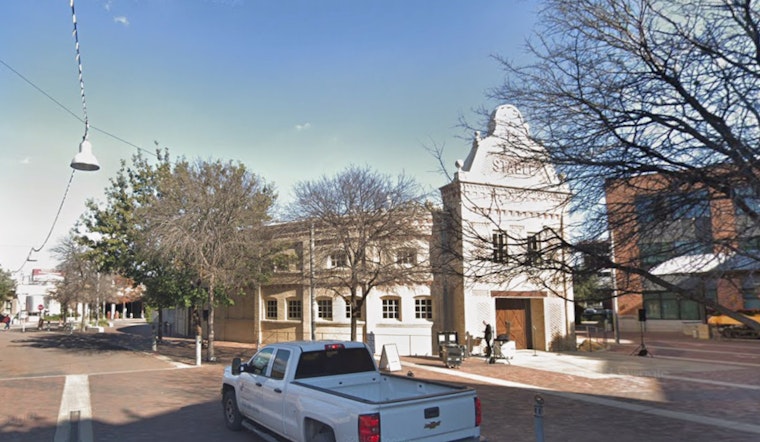
On Tuesday night at Stable Hall at The Pearl, incumbent Bexar County Judge Peter Sakai and former San Antonio Mayor Ron Nirenberg stepped under the lights for a closely watched Democratic primary debate as the March 3 primary looms. The two well-known local power players laid out dueling visions for how the county should tackle jails, housing and downtown redevelopment, giving voters an early look at whether they prefer Sakai's service-first pitch or Nirenberg's more mayor-style executive approach.
The debate was hosted by the Greater San Antonio Chamber along with the San Antonio Report and Tech Bloc, with doors opening at 5:30 p.m. and the program kicking off at 6 p.m., according to the Greater San Antonio Chamber. Business and civic leaders filled Stable Hall, joined by attendees who registered for general admission seats, along with a smaller group in VIP sections. Organizers said their goal was to push both candidates on the nuts and bolts of county government and the county's role in big-ticket development deals.
As reported by KENS5, moderators drilled into the candidates' plans for the courts, county jails, elections, public safety and redevelopment around the Frost Bank Center. Over the course of the roughly hour-long forum, both men had to explain how a county judge, a role that is primarily administrative and fiscal, can still steer multimillion-dollar projects and everyday services. Several of the sharper exchanges centered on overcrowding at the county jail and the push for more mental health diversion options.
Policy Priorities And The County Role
According to the San Antonio Report, Sakai framed his re-election case around healthcare, housing and food-security efforts, repeatedly calling for what he described as a "back to basics" model of county government. He argued that county funds should first reinforce the courts, public health infrastructure and social service safety nets instead of chasing marquee development ventures. Supporters cast that approach as cautious stewardship aimed at delivering concrete services across neighborhoods throughout Bexar County.
Former Mayor Ron Nirenberg countered that the county judge job is not so different from the mayor's, and he leaned on the idea of tight city-county collaboration to "maximize resources" and cut what he called wasteful programs, the Express-News reported. He defended Ready to Work as a central tool for economic mobility while Sakai questioned whether it is delivering enough return on investment. Nirenberg argued that his years at City Hall gave him the experience needed to coordinate large projects and manage funding streams that cross jurisdictional lines.
Project Marvel And Downtown Tension
Downtown redevelopment, bundled under the nickname "Project Marvel," turned into one of the sharpest flashpoints of the night. Both Sakai and Nirenberg have been tied to ongoing talks about a potential new Spurs arena and a surrounding entertainment district, but Sakai worked to separate himself from the broader Project Marvel package. Nirenberg pushed back, saying the arena and the larger neighborhood concept cannot realistically be pulled apart, according to KENS5. The back-and-forth highlighted ongoing community unease over who really gains from downtown projects and how county dollars end up being spent.
Road To The Primary
Early voting starts Feb. 17, and the Democratic primary is set for March 3, with the winner advancing to face Republican Patrick Von Dohlen in November, the San Antonio Report notes. Campaign watchers say the next couple of weeks, as early ballots go out and targeted outreach ramps up, will be pivotal in swaying undecided voters. Both camps signaled they will lean into additional town halls and focused mail campaigns as they try to control the narrative heading into the final stretch of the primary.
Observers said the debate helped draw clearer lines on style and emphasis, but left key policy details unsettled, a sign that both sides are likely to refine their talking points and respond to unresolved questions in the days ahead. Follow-up coverage and post-debate interviews are expected to show whether Tuesday's showdown shifted the race or simply solidified support where it already stood.




